Is Off-Roading Legal in Dubai? What You Actually Need to Know
A straight answer on off-road legality in Dubai: yes, in the open desert — but conservation reserves, private land and reckless driving will get you in trouble.
Is Off-Roading Legal in Dubai?
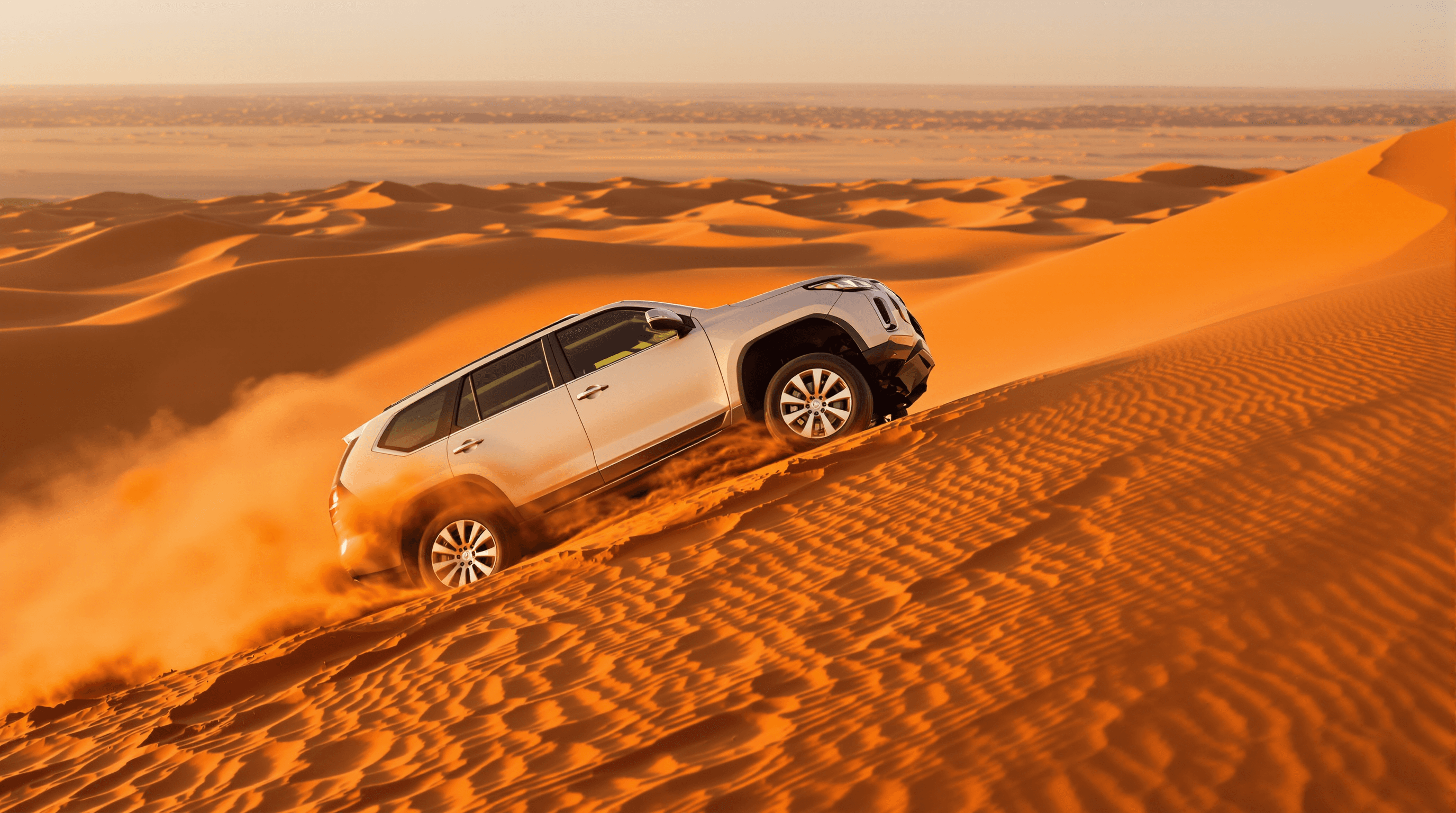
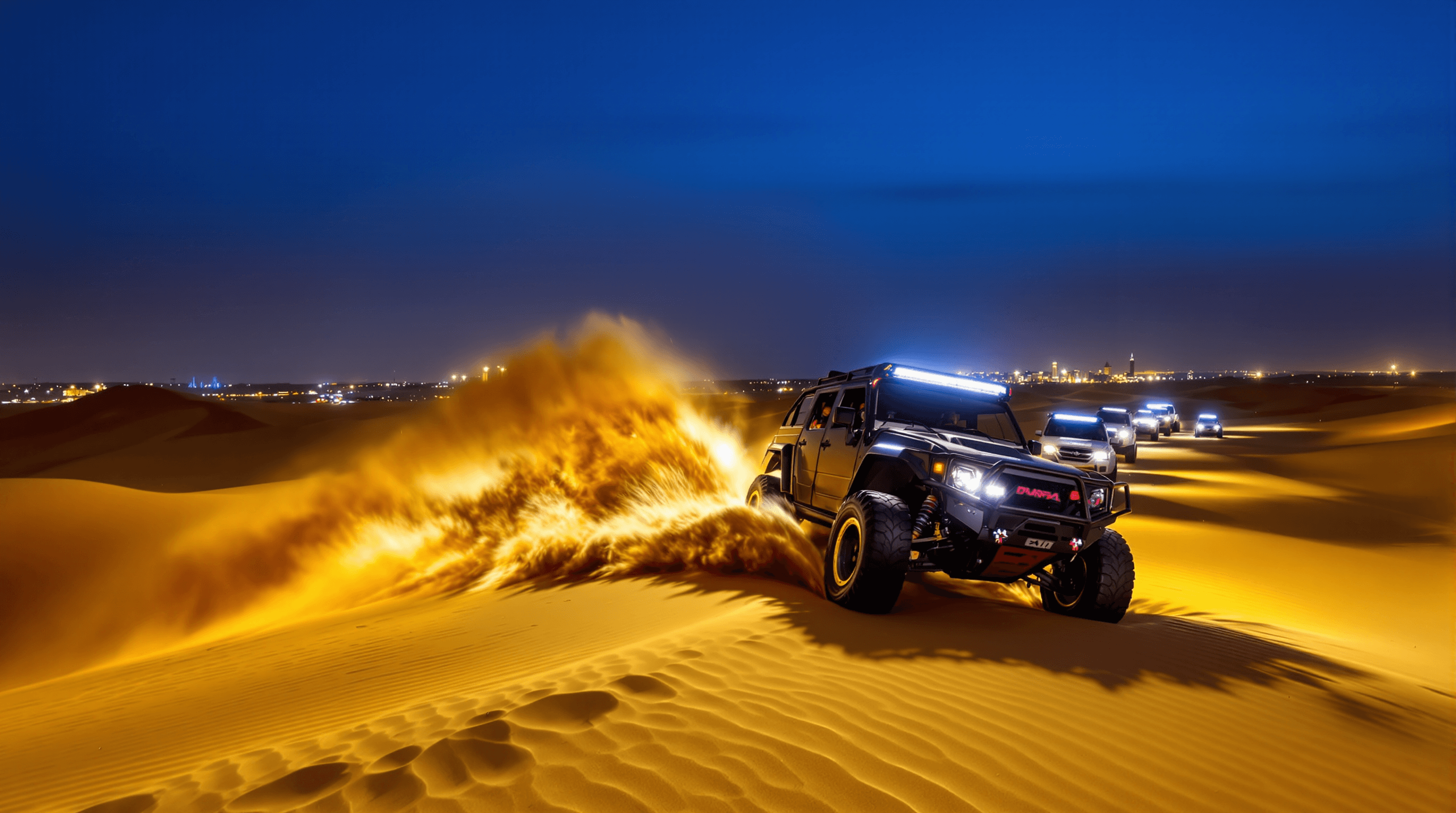
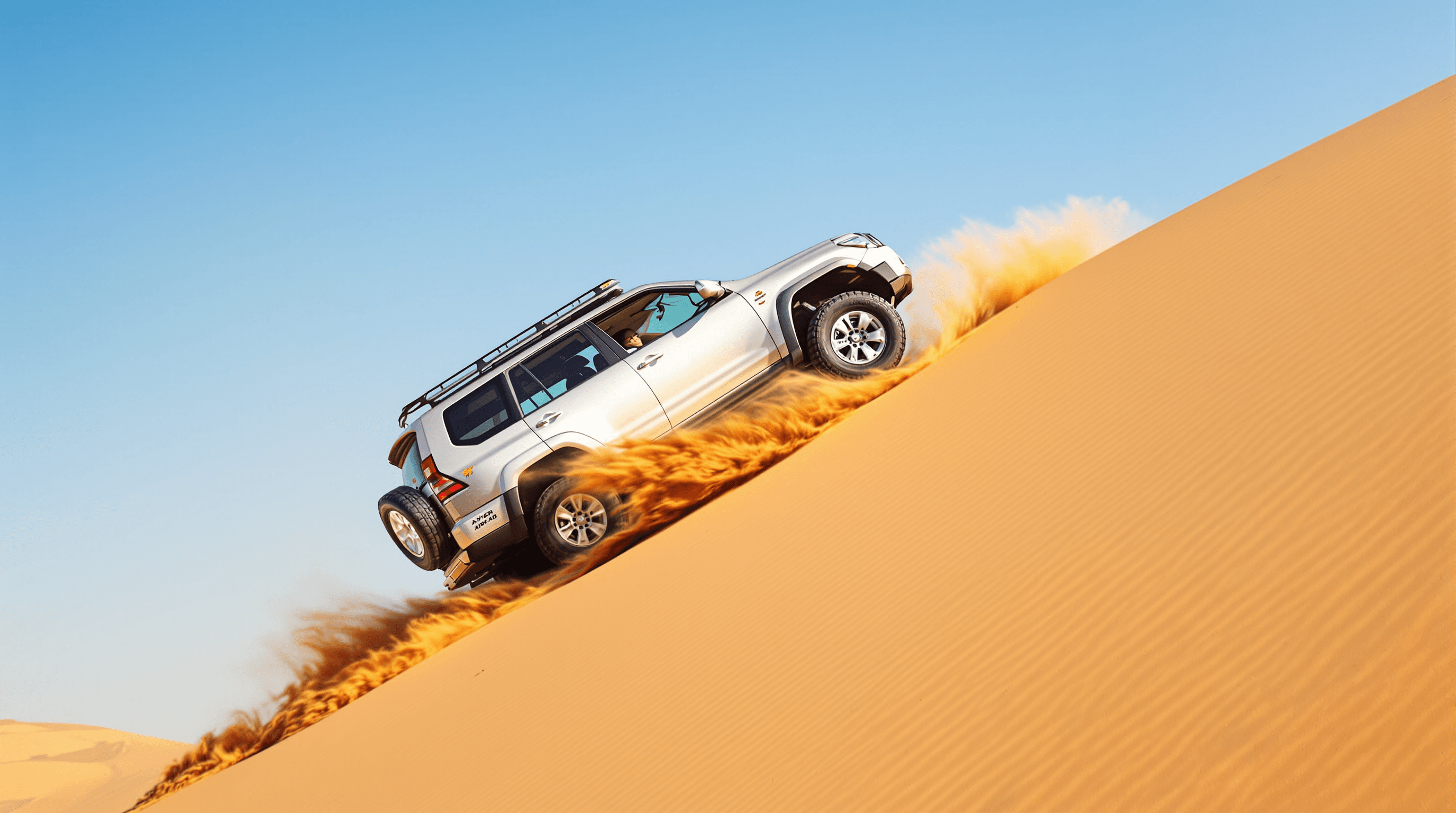
Short answer: yes. Driving a 4x4 in the open desert around Dubai is a normal, legal weekend activity, and thousands of people do it every winter. There's no special "off-road licence" you have to apply for before you can air down and head into the dunes. But "legal" doesn't mean "anything goes," and the things that actually get people fined or in trouble are usually not the things newcomers worry about.
Here's how it really works.
The basics: you're fine in the open desert
Most of the popular spots people drive — Al Qudra, the area around Big Red, the desert out past Sweihan — are open desert that anyone with a capable vehicle can use. You don't need a permit to drive there recreationally. What you do need is the same stuff that makes any car legal to be on the road in the first place: a valid driving licence, current vehicle registration, and insurance.
The catch with insurance is worth flagging early. A lot of standard UAE motor policies either exclude off-road driving or are silent on it, which usually means you're not covered if something goes wrong in the sand. Don't assume — call your insurer and ask the question directly, and get the answer in writing if you can. We go deeper on this in the off-road insurance guide, because it's the single most common thing people get wrong.
Where you genuinely can't go
This is where people get caught out. There are protected conservation areas around Dubai that are off-limits to recreational driving, and the fines for entering them are serious — not the kind of thing you want to test.
The big one is the Dubai Desert Conservation Reserve (DDCR), a fenced protected area where access is restricted to licensed operators. The Al Marmoom Desert Conservation Reserve also has protected core zones. Beyond the formal reserves, the rules everyone forgets:
- Private land and farms. Just because the gate is open doesn't mean you're welcome. Camel farms, plantations and fenced compounds are private.
- Camel racing tracks and training areas. These are in use early mornings — stay off them.
- Anywhere clearly fenced or signed. If there's a fence, assume it's there for a reason.
If you're not certain whether an area is open, the safest move is to go with people who know it, or stick to the well-trodden spots. A desert driving course is the easiest way to learn where the lines are before you cross one by accident.
What actually gets you in trouble
In practice, the violations that land people in front of the authorities aren't usually "you drove in the wrong patch of sand." They're behaviour problems:
- Reckless driving near roads or people. Dune bashing right beside a highway, or near families and campers, gets noticed.
- Driving on public beaches. This is a recurring one in the UAE and it does get enforced.
- Littering and dumping. Leaving rubbish, dead tyres or recovery debris behind is both illegal and the fastest way to get an area closed for everyone.
- Disturbing or chasing wildlife.
The desert is patrolled, and the authorities take environmental damage and reckless behaviour seriously. The specific fine amounts change and depend heavily on the circumstances, so I'm not going to quote you a tariff sheet — the honest answer is that the penalties are high enough that it's not worth finding out.
Vehicle and kit: less a law, more common sense
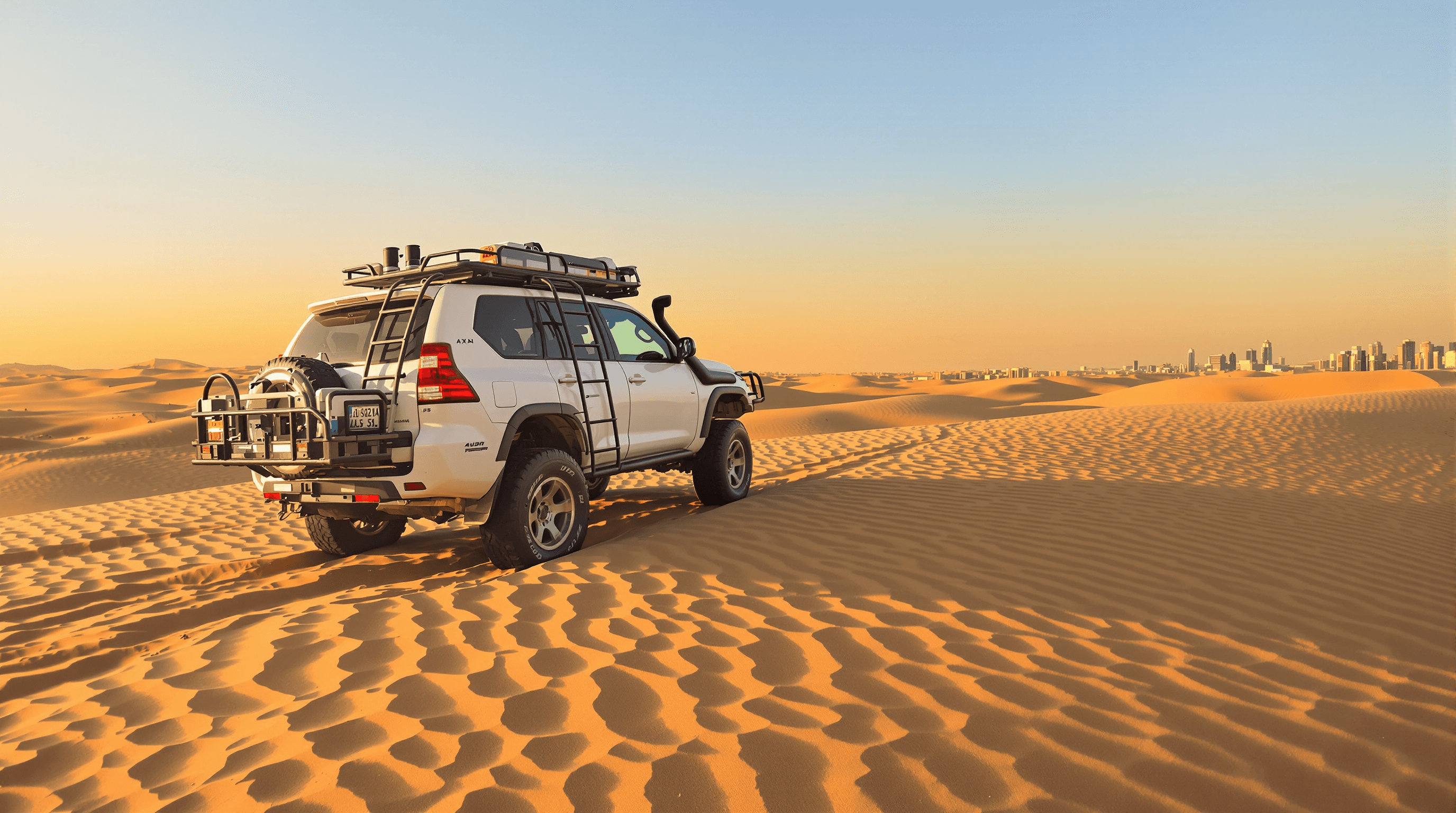
There's no inspector checking your spec sheet at the edge of the desert, but going out underprepared is how a fun day turns into a rescue. A genuinely capable setup means a proper 4x4 with low-range, decent ground clearance, and tyres you can air down — highway tyres at road pressure will bury you fast.
Beyond the vehicle, the things you should always have:
- A way to recover yourself: a shovel, and traction boards or a tow strap with a recovery point.
- Plenty of water — far more than you think you'll need.
- A way to call for help, and a rough idea of where you are if you do.
- Somewhere to put your rubbish so you can take it home.
None of this is exotic, but the gear directory is a good place to start if you're building a kit from scratch.
Tourists and visitors
If you're visiting, you can absolutely get out into the desert legally. A valid international driving permit (alongside your home licence) covers you to drive a rental, and most people's first trip is — sensibly — with a licensed tour operator or a desert-driving rental package that comes pre-sorted for insurance and a guide.
If you'd rather go independently, the same rules apply as for residents: capable vehicle, proper insurance, and the sense to stay out of reserves and off private land. Going with someone experienced the first time is worth far more than any amount of reading, including this article.
A few honest answers
Do I need a permit to off-road around Dubai? Not for normal recreational driving in the open desert. You need a valid licence, registration and insurance — and you need to stay out of the protected reserves and off private land.
Does my normal car insurance cover the dunes? Often not. Plenty of UAE policies exclude off-road use. Confirm it with your insurer before you go, rather than after.
What if I drive into a protected area by mistake? Get out, and don't make a habit of it. The reserves around Dubai carry steep penalties, so when you're unsure whether somewhere is open, treat it as closed.
The desert is one of the best things about living in or visiting the UAE, and the rules around it are mostly about keeping it open and intact for the next person. Drive within your skill, respect the boundaries, and you'll never have a problem.
Reviewed by experienced desert drivers. Our team personally visits operators and tests courses across the UAE.
Explore the Directory
Find off-road clubs, courses, garages and events across Dubai & UAE.
View Directory →