The Nissan Patrol in the UAE: Is It Still the Desert King?
An honest look at the current Nissan Patrol for UAE desert driving — what it does well in the sand, where it falls short, and how it stacks up against the Land Cruiser.

The Nissan Patrol in the UAE: Is It Still the Desert King?
If you spend any time in the dunes around Dubai, you'll notice the Patrol is everywhere — and not by accident. It's been the default big SUV for Emirati families and weekend desert crews for decades, to the point where "dune basher" and "Patrol" are almost interchangeable out here. The current generation modernised a lot, but the question newcomers keep asking is the same one as always: does it still earn that reputation in the sand, or is it coasting on it?
Short answer: it's still one of the best things you can take into soft sand straight off a dealer floor. But it's worth being honest about where it shines and where you'll wish you'd bought something else.
In the sand
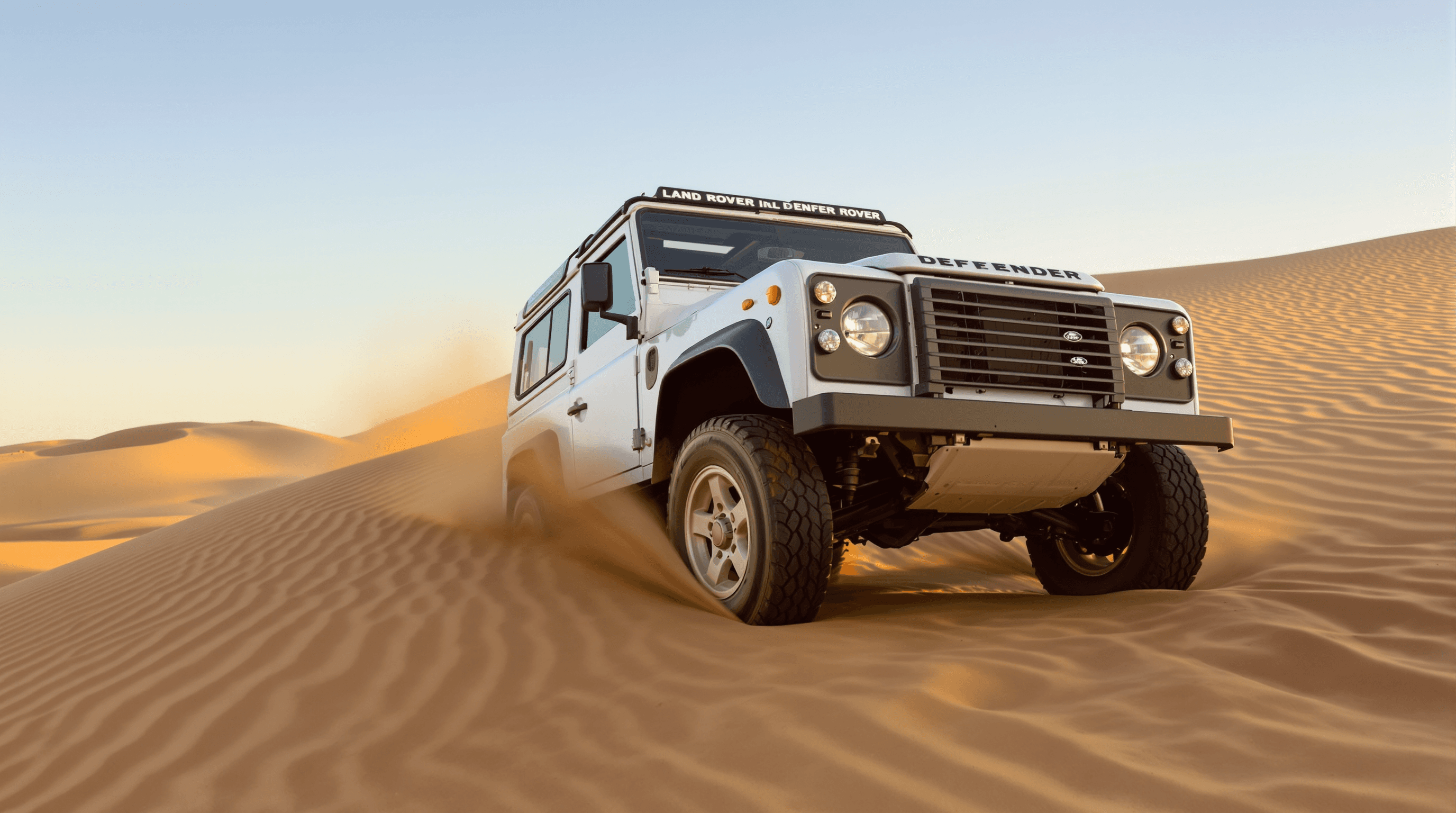
This is what the Patrol has always been about. Big, heavy, lots of low-end pull, and a body-on-frame chassis that takes abuse without complaining. On the long, soft dunes around Al Qudra and out toward Sweihan, it floats over stuff that has lighter vehicles wallowing — momentum is your friend in a Patrol, and there's plenty of engine to keep it.
The current car gives you a terrain-mode dial with a dedicated sand setting that softens throttle response and changes how the traction control intervenes. It genuinely helps — you can keep your foot in it on a dune face without the electronics yanking power away at the worst moment. That said, like every modern SUV, some of the nannying is still too eager for technical sand. Plenty of experienced drivers turn traction control down or off once they know the car, and that's normal.
It also has a real rear differential lock, which matters more than any number of drive modes. When you're properly bogged on a side slope, a locker is what gets you out.
Where it's less convincing
The Patrol is enormous, and you feel it. On tight, technical terrain — rocky wadi sections, anything where you need to pick precise lines between obstacles — the size and weight work against you. It's a dune car first and a rock crawler a distant second. If your weekends are more Fossil Rock and Hatta than open dunes, a smaller, shorter vehicle will be less stressful.
Fuel is the other reality. It drinks. Highway cruising is fine for what it is, but a day of dune work will empty the tank quickly, so plan your range and carry enough fuel for the convoy, not just yourself.
And it's a lot of car to live with day to day — parking, manoeuvring, the general bulk. None of that is a surprise on a vehicle this size, but newcomers sometimes underestimate it.
How it compares to the Land Cruiser
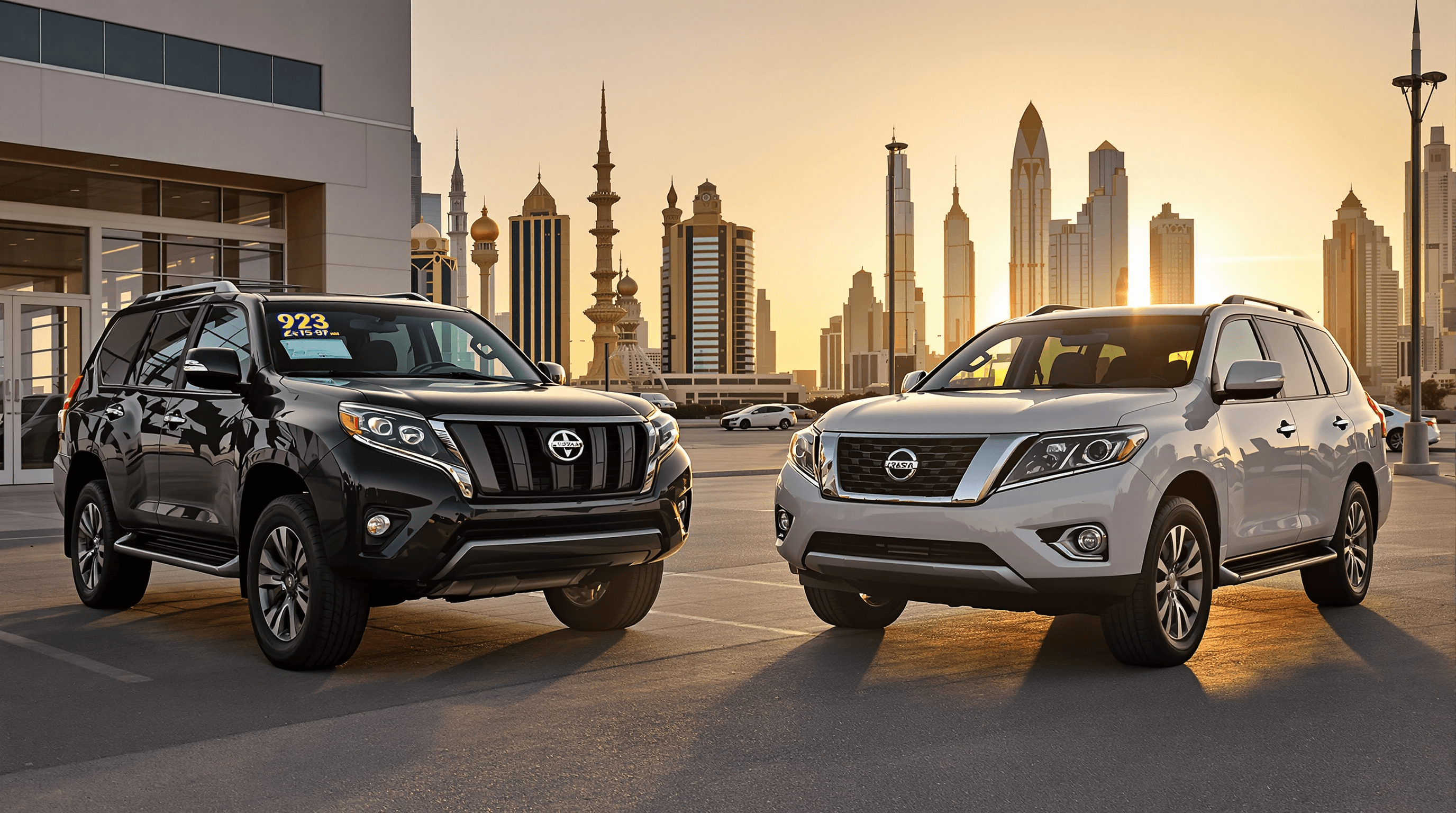
This is the comparison everyone makes, and the honest answer is that both are excellent and you won't be poorly served by either. They've traded blows in the UAE market for years. The Patrol has traditionally been the slightly cheaper buy with a reputation as the more playful, momentum-loving dune car; the Land Cruiser leans toward refinement and the deepest resale value and dealer network in the country.
Check current brochure figures and on-road pricing when you shop — both nameplates have changed engines and trims in recent years, and the numbers move. Don't buy on a spec sheet you read in a review; go drive both in the conditions you actually use.
What you actually need to add
Out of the box the Patrol handles casual desert driving without modification — that's a big part of its appeal. The two things that genuinely matter before you head out:
- Tyre pressures. This is the single biggest factor in whether you have a good day or a stuck day. Airing down properly for sand matters far more than any accessory.
- Recovery gear and a way to refill air. A decent set of recovery boards, a rated recovery point setup, and a compressor to air back up before the tarmac.
Beyond that, most people add a snorkel, some protection underneath, and proper sand tyres over time. None of it is urgent for a first season. If you want help getting it set up without warranty headaches, the Dubai off-road garages directory is a good starting point.
Before you take it out
The Patrol is forgiving, but the desert isn't, and a capable vehicle is no substitute for knowing what you're doing — most recoveries I've helped with were a driver problem, not a car problem. If you're new to sand, do a proper session with an instructor before you go chasing big dunes. You can find vetted options in the course directory. Knowing how to read a dune face, when to commit, and when to back off will get more out of a Patrol than any spec sheet.
A few honest answers
Is it reliable for long desert trips? Yes — that reliability is a big reason it's so popular here. It's built for heat and distance. Bring enough fuel and watch your range, and it'll comfortably do long days.
Patrol or Land Cruiser for sand? Both are genuinely capable. The Patrol tends to be the cheaper, more momentum-happy dune car; the Land Cruiser holds the edge on resale and service network. Drive both before deciding.
Do I need to modify it for the desert? Not for casual driving. Sort your tyre pressures and carry recovery gear, and the rest can wait until you know how you actually use the car.
Reviewed by experienced desert drivers. Our team personally visits operators and tests courses across the UAE.
Explore the Directory
Find off-road clubs, courses, garages and events across Dubai & UAE.
View Directory →