The Toyota Prado in the UAE Desert — What It's Like to Own and Drive
An honest look at the Toyota Prado as a desert 4x4 in the UAE: how it handles sand, the modifications worth doing, and where it sits against the bigger Land Cruiser and Patrol.

The Toyota Prado in the UAE Desert
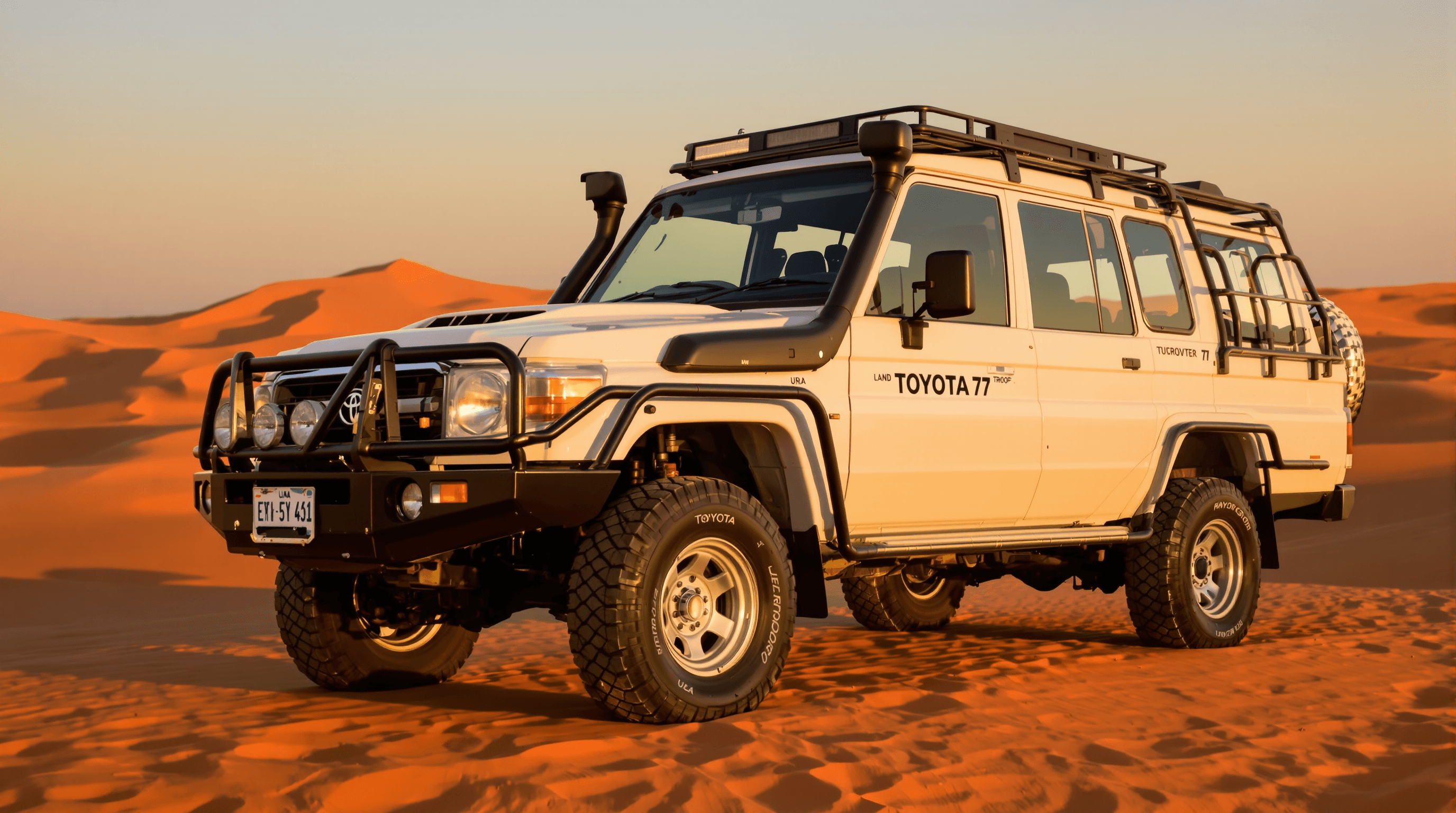
The Prado is one of those cars you stop noticing in a UAE convoy because half the group is driving one. It sits in a useful spot: smaller and cheaper than a full Land Cruiser or Patrol, but with the same Toyota underpinnings and a proper low-range 4WD system. For a lot of people it's the car that does the school run all week and still gets them across the dunes on Friday. Here's what that's actually like.
Petrol or diesel
In the UAE you'll mostly see the petrol V6, but the turbodiesel is the one to look for if you can. The reason is torque low in the rev range — that's what you want in soft sand, where you're trying to keep momentum without spinning up. The diesel pulls steadily up a dune face where the petrol wants more revs and more right foot. The petrol is perfectly capable and a bit smoother on the road, so it's not a wrong choice; it just asks for a more active driving style in the sand.
Either way, the Prado isn't a power monster, and it doesn't need to be. Sand driving is about momentum and tyre pressure far more than horsepower.
How it handles the sand
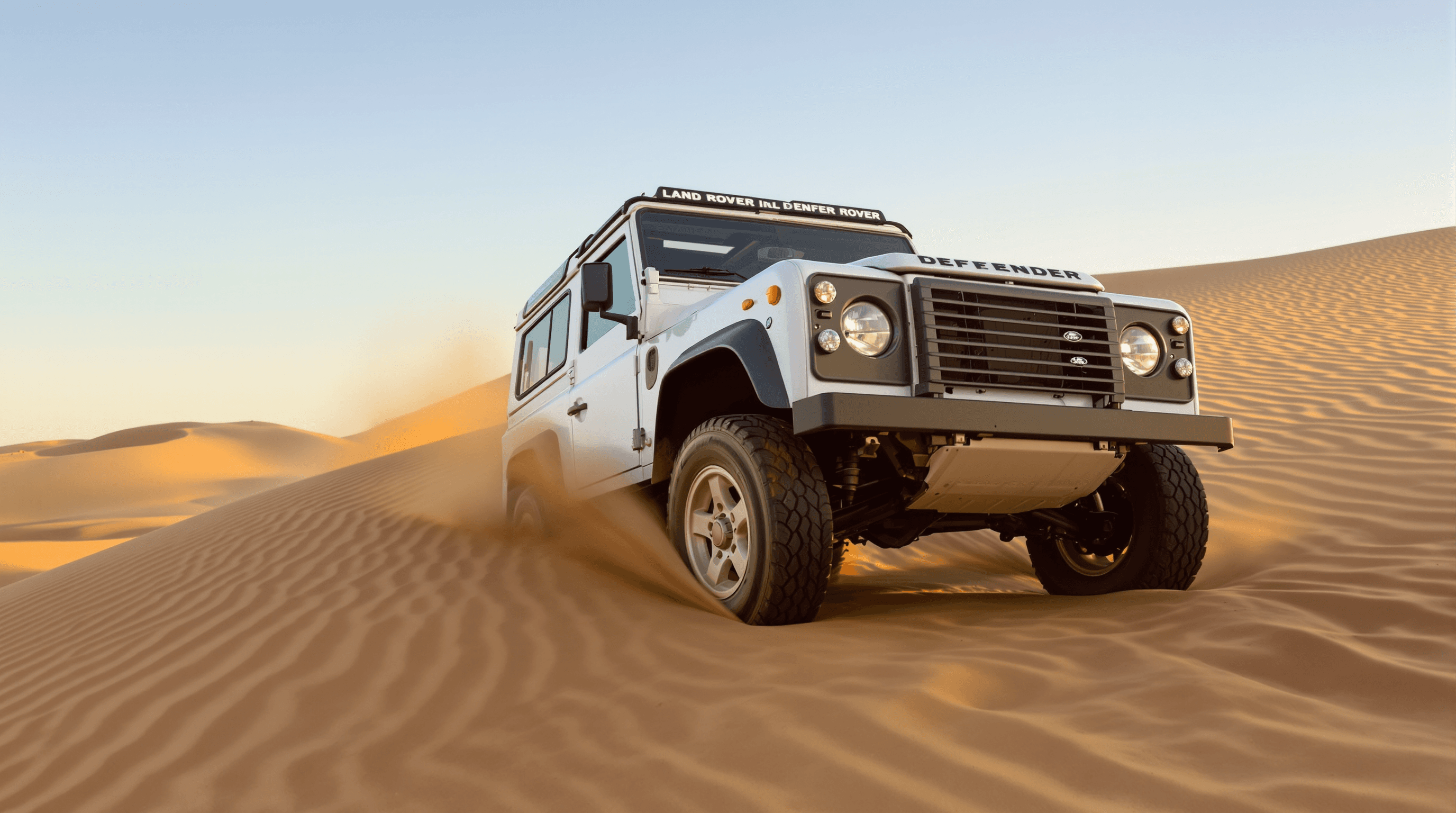
Drop the pressures (most people run somewhere around the low-to-mid teens in PSI for soft sand) and the Prado is an easy, confidence-inspiring car to learn in. Toyota's traction electronics do a good job of managing wheelspin, and the various terrain modes genuinely help newer drivers — they smooth out throttle inputs and stop you digging in. Plenty of people take their first lessons in one. If that's you, a proper desert driving course is worth far more than any modification.
A couple of honest limitations. The Prado is independent-front-suspension, so it doesn't articulate over rough, broken ground the way a solid-axle truck does — less of an issue in pure dunes, more noticeable on rocky tracks. And in the height of summer, on long low-speed climbs in 45°C-plus heat, keep half an eye on temperatures. The cooling system is fine for normal use, but back-to-back dune runs in July are exactly the conditions that find the limits of any car.
Where it sits against the Land Cruiser and Patrol
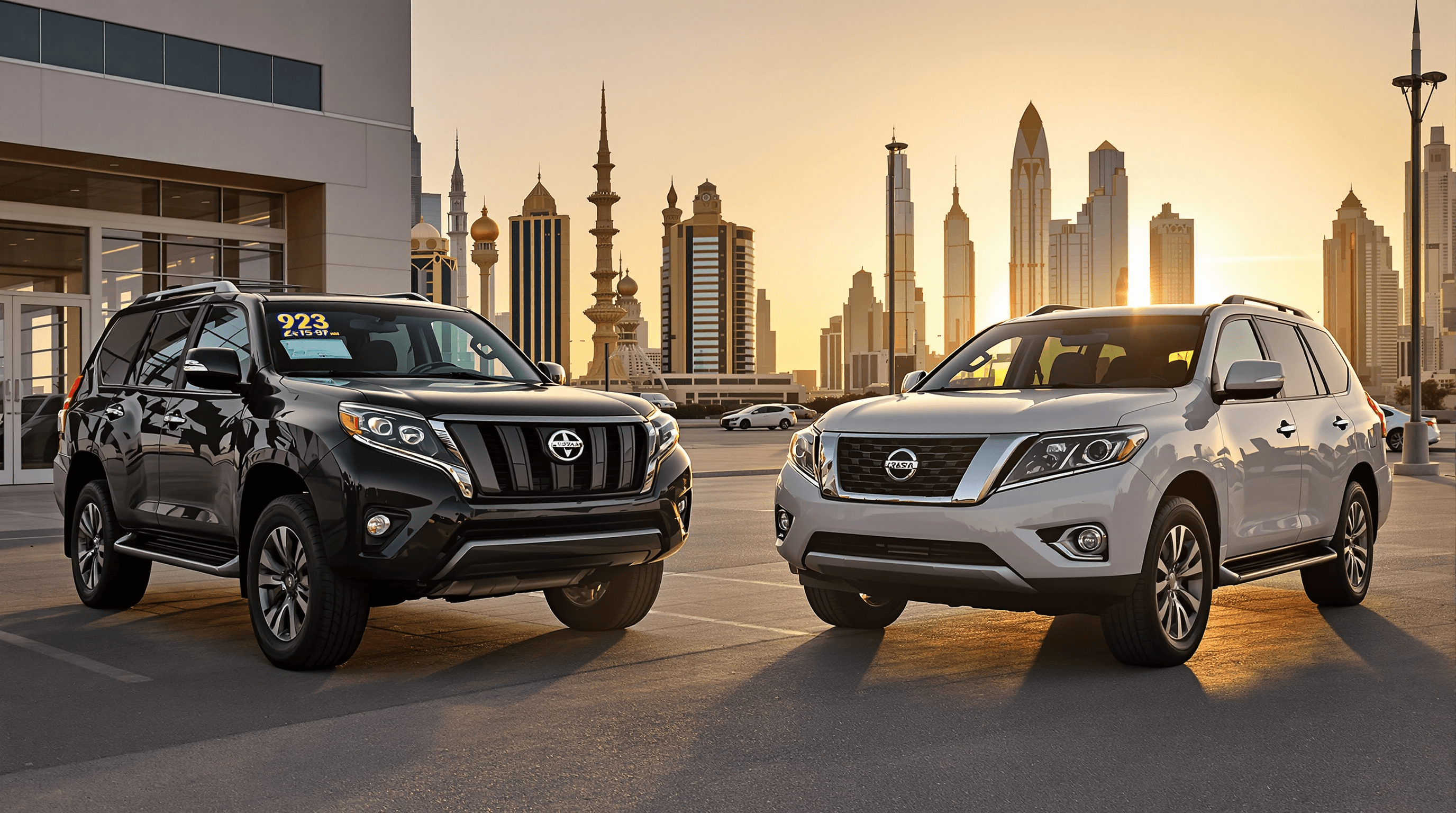
People always ask how it stacks up against the bigger trucks. The short version: the full-size Land Cruiser 300 and the Nissan Patrol have more ground clearance, more power and more presence on a big dune, and they cost more to buy and run. The Prado gives up some of that capability but is cheaper, lighter, easier to park and easier to live with day to day.
If you're a weekend driver who wants a family car that also handles the desert, the Prado is the sensible answer. If you're chasing the steepest faces every trip, the bigger trucks have headroom the Prado doesn't. Both are valid — it just depends on how hard you push it.
Modifications worth doing
Resist the urge to throw money at it before you've spent time driving it stock. The genuinely useful early upgrades are the same as for most desert 4x4s:
- All-terrain tyres in place of the road-biased stock rubber — this is the single biggest improvement for sand.
- Recovery gear you actually know how to use: a decent compressor, recovery boards, a snatch strap and shackles. (See our recovery gear guide for what's worth carrying.)
- Underbody protection — bash plates and sliders once you're tackling rockier terrain like the mountain tracks.
A lot of people over-build these cars and lose the daily comfort that made the Prado the right choice in the first place. If you're getting work done, Dubai has plenty of workshops that build Toyotas all day and won't void your warranty in the process.
Living with one in the desert
The Prado's real strength is the same as every Toyota's here: parts are everywhere, every garage knows them, and they're cheap to keep running. The desert just adds a few extra habits worth keeping up:
- Check and clean the air filter more often than the standard interval — sand and dust load it up fast.
- Wash the underbody after trips to clear out packed sand.
- Give the brakes a clean; sand ingress wears pads faster than normal road use.
None of this is unique to the Prado, but it's the difference between a car that lasts and one that nickel-and-dimes you.
A few honest answers
Is the diesel really worth chasing over the petrol? For dune driving, yes — the low-end torque makes it less work in the sand. But the petrol is far from useless, and if a clean petrol example is what's in your budget, you'll still have a very capable car.
Can a stock Prado handle the big dunes? With the right tyre pressures and good technique, a stock Prado handles a lot more than people expect. Technique and momentum matter more than the car. Get some instruction before you go pointing it at the steepest faces on your own.
Should I get a Prado or save up for a Patrol or full Land Cruiser? If it's mainly a family car that does occasional desert trips, the Prado is the easier, cheaper answer. If the desert is the whole point and you want the most capability per trip, the bigger trucks earn their extra cost.
Reviewed by experienced desert drivers. Our team personally visits operators and tests courses across the UAE.
Explore the Directory
Find off-road clubs, courses, garages and events across Dubai & UAE.
View Directory →