Off-Roading in Fujairah: Mountains, Wadis and the East Coast
What off-roading on the east coast is actually like — Hajar Mountains and wadi driving, how it differs from Dubai's dunes, and how to prepare for it.
Off-Roading in Fujairah: Mountains, Wadis and the East Coast
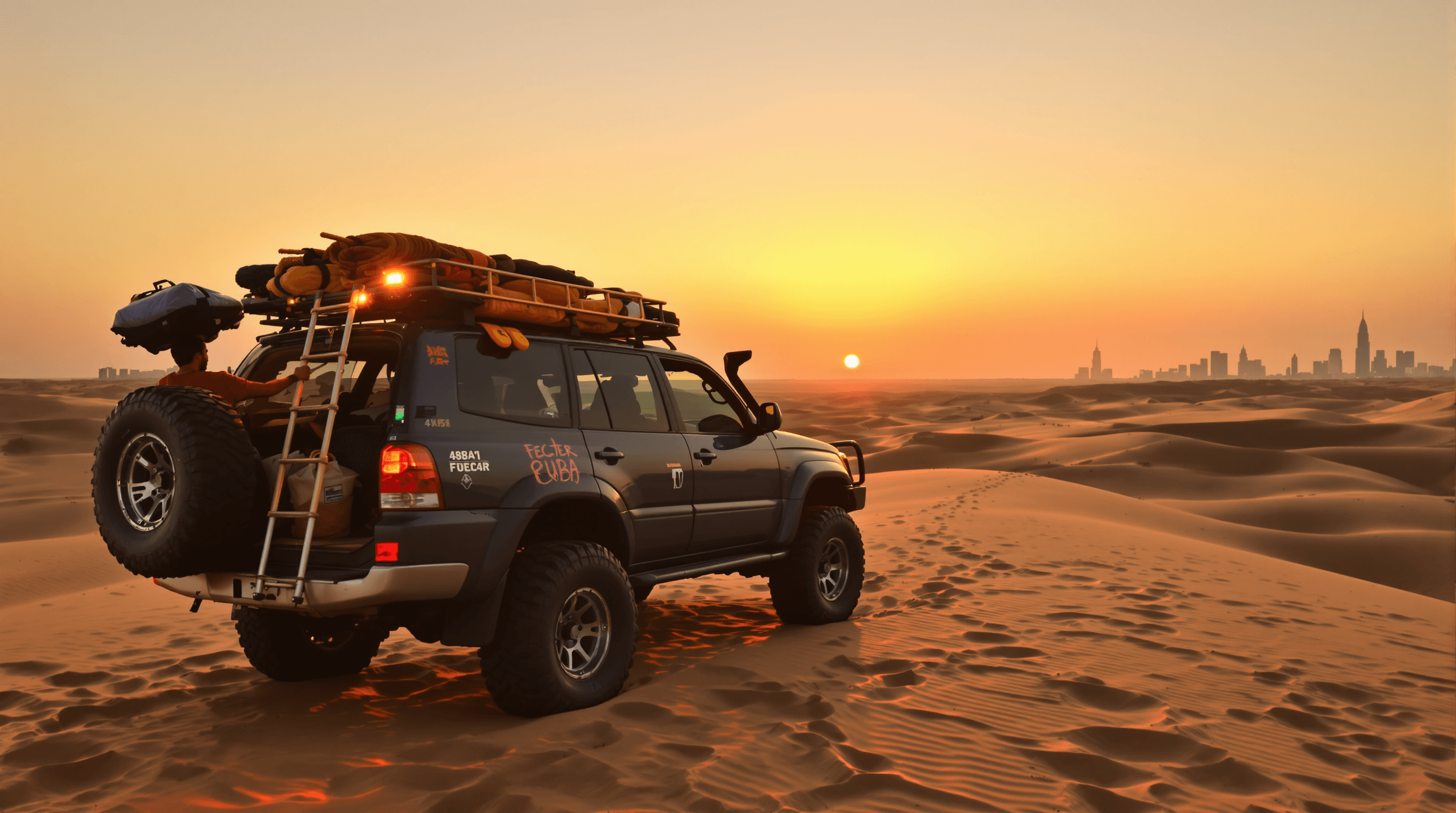
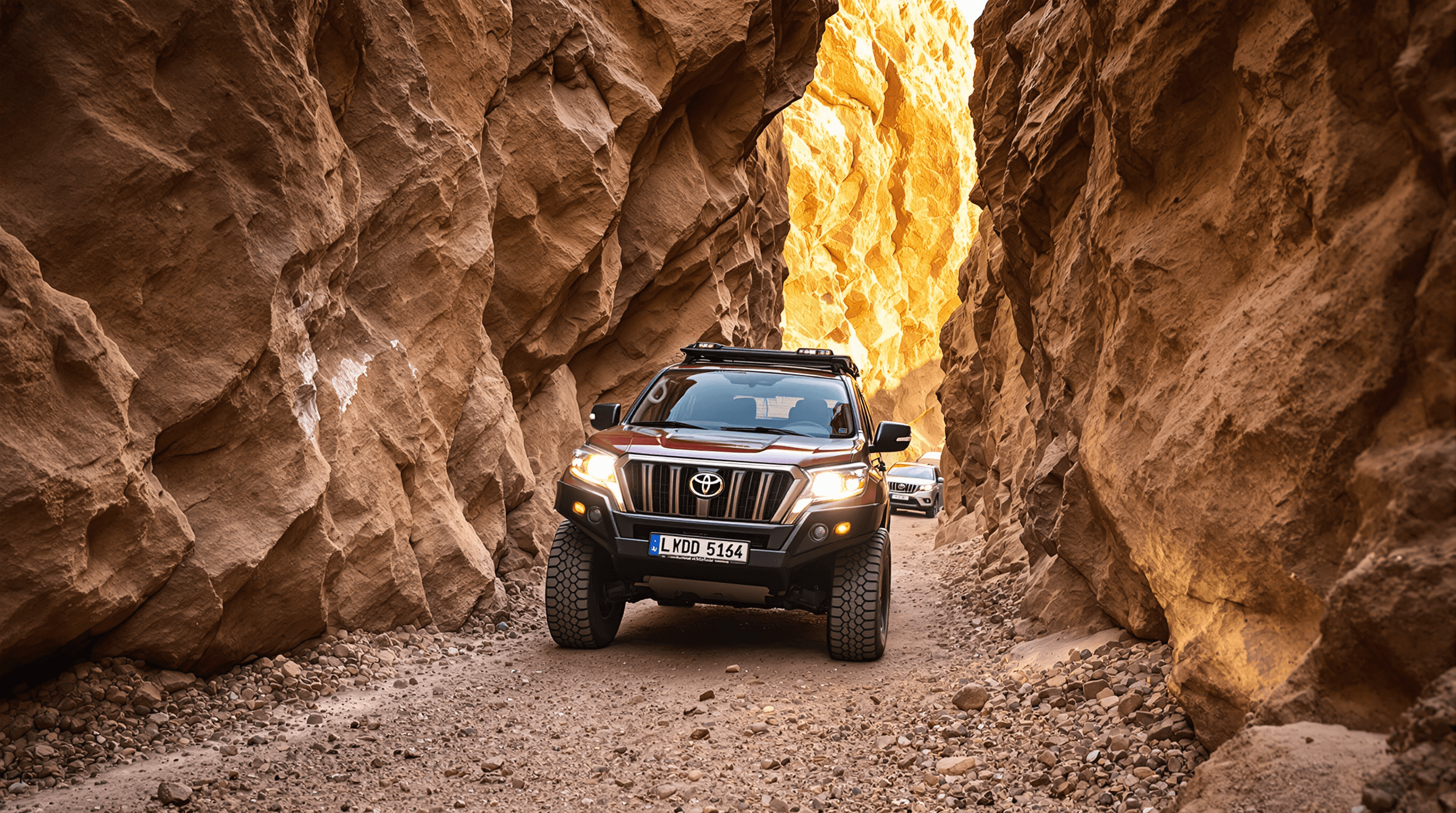
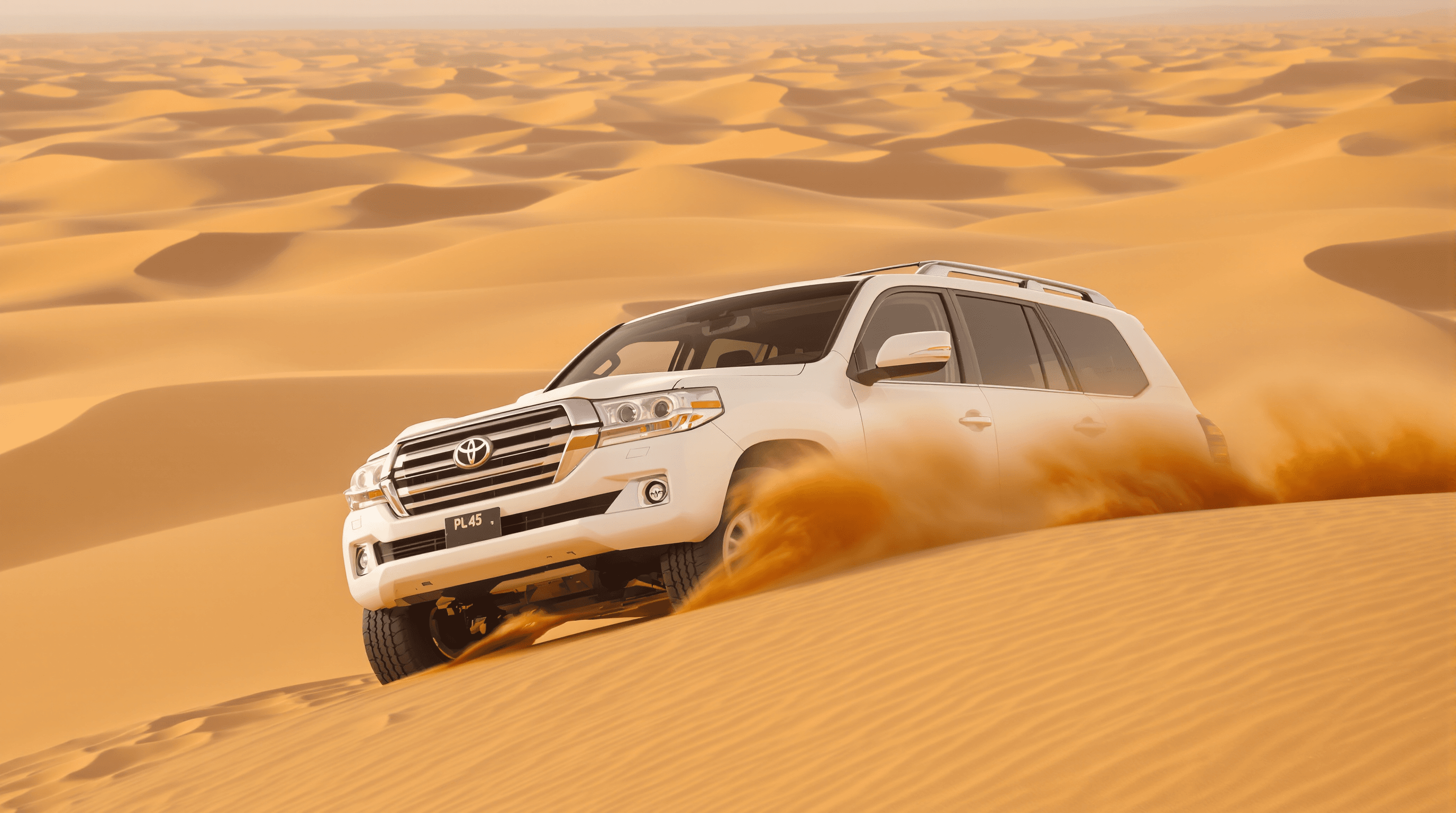
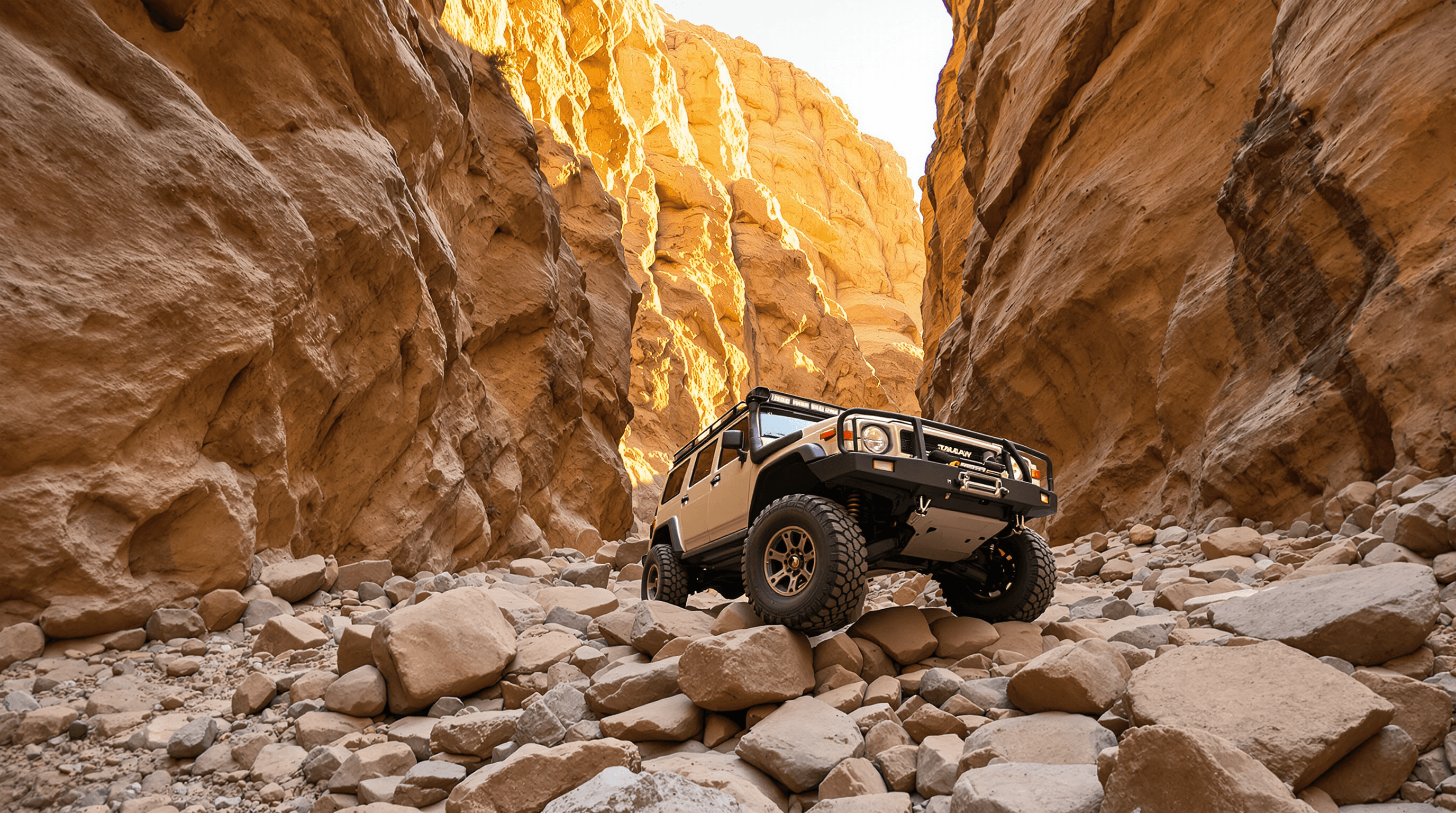
If you only ever drive the dunes west of Dubai, Fujairah will feel like a different country. It's about an hour and a half across to the east coast, and instead of soft sand you get the Hajar Mountains: rock, gravel tracks and wadis cut through the hills, with the Gulf of Oman on the other side. It's cooler than the inland desert, the scenery is dramatic, and the driving is a completely different skill set. Worth knowing what you're getting into before you go.
When to go
The comfortable season is the same as everywhere else in the UAE — roughly October through March, when days are mild and the mountains are pleasant. The east coast does tend to run a touch cooler than Dubai because of the mountains, but don't overstate it; summer is still brutal, and a wadi with no shade and rock radiating heat is no place to be by mid-morning. If you go in the warmer months, start at first light and be heading home before the heat builds.
The bigger seasonal issue is rain. The Hajar catches more of it than the flat desert, and that changes the terrain.
Flash flooding is the real hazard
This is the thing that separates wadi driving from dune driving, and it deserves its own warning. A dry wadi bed is a drainage channel. Rain falling miles away, up in the mountains where you can't see it, runs downhill and can turn a dry crossing into a fast-moving river with very little warning. People have been caught out by this and it kills.
So: check the forecast before you commit, for the mountains and not just where you're standing. Watch the sky over the peaks. If there's rain about or water already running, don't be in the wadi, and never camp in a wadi bed. No route is worth it.
How it's different from the dunes
The terrain rewards different things. In the sand you want low pressures, momentum and a light touch. On rock you want ground clearance, underbody protection and patience.
- Clearance and protection matter more than power. Rock will find your sills, diff and sump. Skid plates and decent ground clearance save you here.
- Tyre pressures don't drop as far. You're not floating over sand — you want enough pressure to resist pinch flats on sharp rock, while still softening the ride a little. Let some air out, but not desert-sand low.
- Engine braking on descents. Use low range and let the gearing hold you back on steep loose downhills rather than riding the brakes.
- Sidewall protection. Sharp edges cut tyres. A good all-terrain with a tougher sidewall is worth more here than an aggressive sand tread.
If you've only ever aired down for dunes, it's genuinely worth a proper lesson on rock and wadi technique before tackling the harder routes — it's not the same game. There are operators who run east-coast trips listed in the courses directory.
Navigation
Phone signal and GPS both get unreliable in the mountains — cliff faces block the sky, and you can lose a fix in the bottom of a wadi. Download your offline maps before you leave the coverage area rather than relying on a live signal. Mark your fuel stops too; stations thin out quickly once you're away from the towns, so top up in Fujairah city or Khor Fakkan rather than assuming you'll find a pump.
Conditions also change. A track that was clear last season can be reshaped by flooding, so don't treat an old route note as gospel.
What to take
Most of this is standard off-road kit, with a few mountain-specific additions:
- Recovery gear you know how to use — recovery on rock works at different angles than sand, and a vehicle that's taken rock damage may simply not drive out.
- Offline maps and a backup way to navigate that isn't your phone.
- Plenty of water. Dry mountain air dehydrates you faster than you'd expect.
- A basic spares and tyre-repair kit. You're a long way from help.
For protection mods and what's worth fitting before you start doing rock regularly, the garages listings cover shops that do underbody and suspension work.
Don't go alone
This is the one I'd push hardest. Solo in the dunes near a tour route is one thing; solo in a remote Fujairah wadi with no signal is another. Take a second vehicle so you've got a recovery option and someone to fetch help. Keep the convoy a sensible size, leave space between cars on the technical bits, and agree a plan before you drop into anywhere with no phone signal. Tell someone not on the trip where you're going and when you'll be back.
If something goes wrong, people come first — sort injuries before you worry about the truck. Emergency help does exist out there, but response times in a deep wadi are long, so build your trip around not needing it.
A few honest answers
Do I need permits? Some protected areas in the mountains are managed and may require permits or have restricted access, and rules change — check the current situation before you head into a protected zone rather than assuming open access. Carry your Emirates ID.
Can I use my dune setup? Partly. The vehicle's the same, but sand-focused tweaks like very aggressive tyres or extreme airing-down don't translate. You'll want clearance, protection and tougher sidewalls more than flotation.
Is it beginner-friendly? The gentler tracks near the coast are a fine introduction, but the serious wadi and rock routes are not where you learn. Build up, ideally with someone who knows the area.
Reviewed by experienced desert drivers. Our team personally visits operators and tests courses across the UAE.
Explore the Directory
Find off-road clubs, courses, garages and events across Dubai & UAE.
View Directory →