Wadi Driving UAE 2025: Complete Guide to Mountain Adventures
Master wadi driving in UAE's mountains with expert route guides, safety tips, and vehicle requirements for Hatta, Fujairah, and RAK adventures.
Wadi Driving UAE 2025: Complete Guide to Mountain Adventures
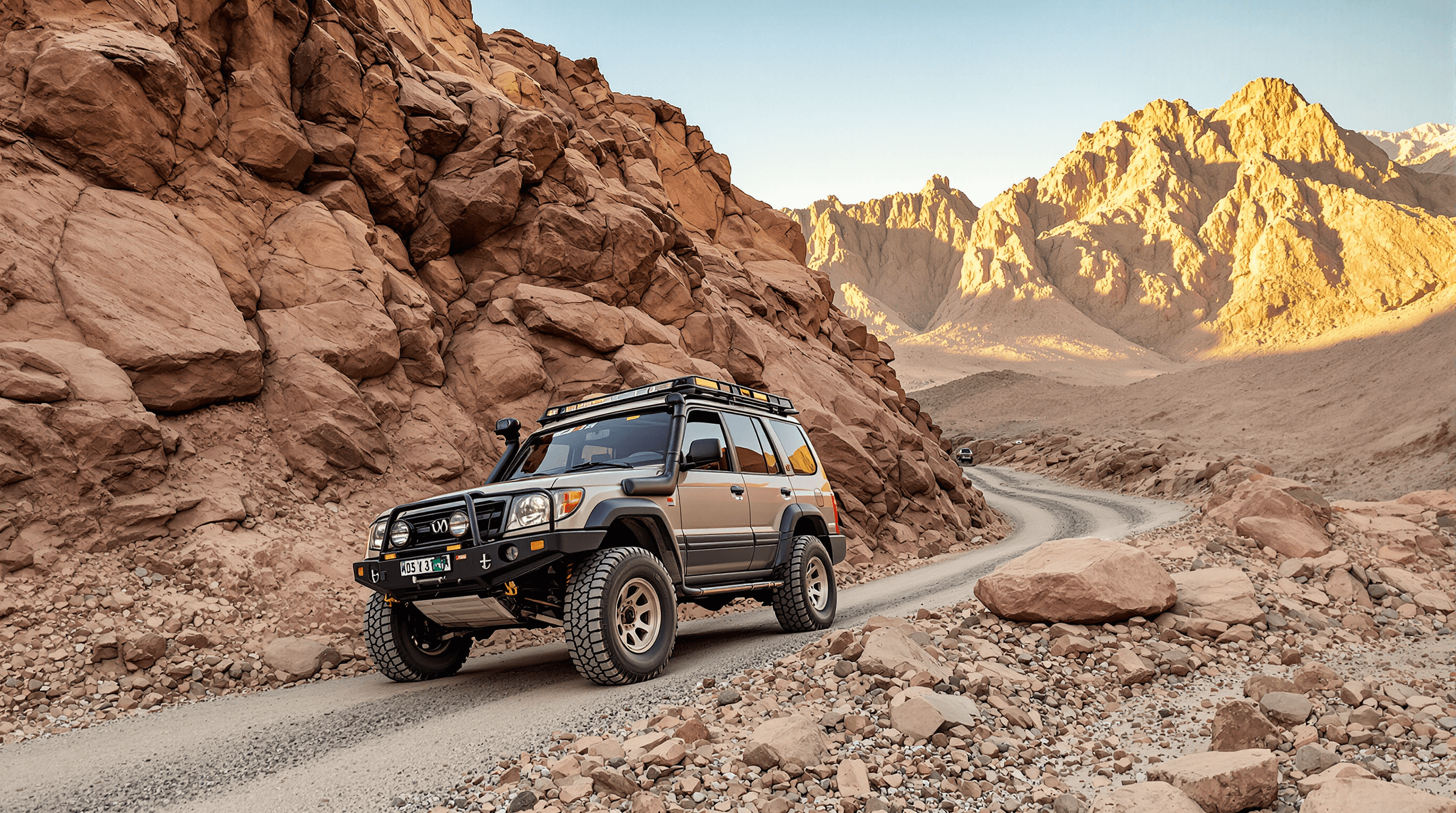
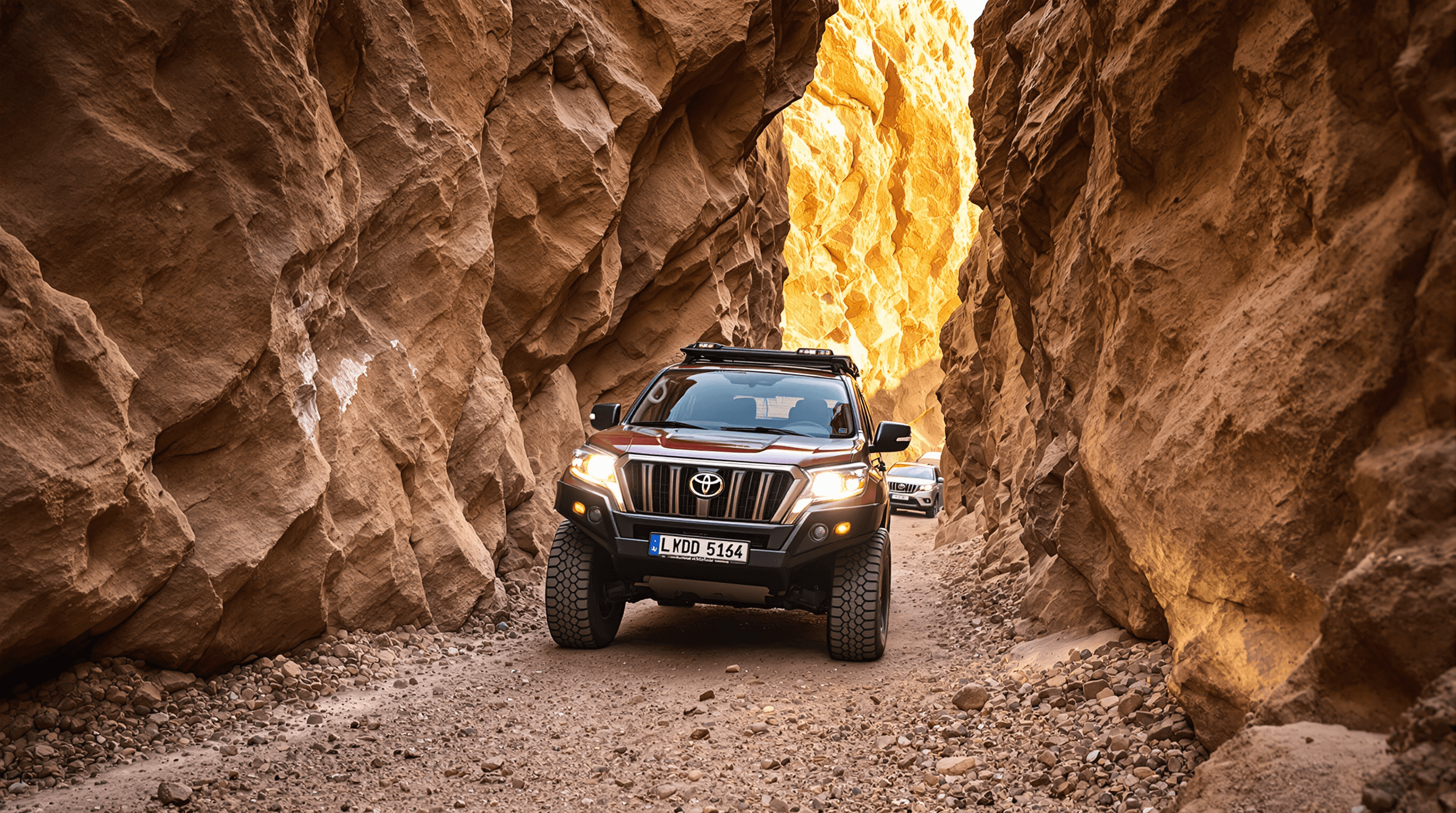
Wadi driving in UAE offers some of the country's most challenging and rewarding off-road experiences, combining technical rock crawling with stunning mountain scenery. Unlike desert driving, wadi routes demand precise vehicle control, advanced recovery skills, and thorough route planning through the UAE's Hajar Mountains.
The UAE's wadi systems span from Hatta in Dubai to the remote valleys of Ras Al Khaimah, each presenting unique challenges from loose gravel climbs to water crossings. This comprehensive guide covers everything from vehicle preparation to route selection, helping you safely explore the country's mountain wilderness.
Essential Vehicle Requirements for Wadi Driving
Stock 4x4 vehicles with low-range transfer cases handle most UAE wadi routes, though specific modifications significantly improve capability and safety. Ground clearance of 220mm minimum prevents damage to differentials and fuel tanks on rocky surfaces.
Key vehicle specifications for wadi driving include:
- 4WD system: Manual or automatic 4WD with low-range capability
- Approach/departure angles: 30°+ approach, 25°+ departure angles
- Tyre specifications: All-terrain or mud-terrain tyres, 31" minimum diameter
- Protection: Underbody skid plates for engine, transmission, and fuel tank
- Recovery points: Front and rear rated recovery hooks or winch mounts
Popular wadi-capable vehicles in the UAE market include the Toyota Land Cruiser Prado (AED 180,000-220,000), Jeep Wrangler (AED 165,000-195,000), and Nissan Patrol (AED 195,000-240,000). Each offers different strengths for technical terrain navigation.
Our garages directory lists specialized shops for wadi-specific modifications including rock sliders, differential guards, and suspension upgrades.
Top Wadi Routes in the UAE
Hatta's wadi network provides the most accessible mountain driving from Dubai, with established tracks ranging from beginner-friendly gravel roads to expert-level technical sections. The Hatta Dam Loop covers 25km of varied terrain including water crossings and steep climbs.
Hatta Wadi System
- Distance: 15-40km loops available
- Difficulty: Beginner to advanced options
- Key features: Water crossings, loose rock climbs, scenic viewpoints
- Access: Via Hatta-Oman Road, 90 minutes from Dubai
Fujairah Mountain Valleys
- Distance: 20-60km routes
- Difficulty: Intermediate to advanced
- Key features: Technical rock sections, narrow passages
- Access: Multiple entry points from Fujairah city
Ras Al Khaimah Wadi Network
- Distance: 10-80km expedition routes
- Difficulty: All levels available
- Key features: Remote wilderness, challenging climbs
- Access: Via Jebel Jais or Digdaga roads
For detailed route information, check our comprehensive Hatta off-road guide and Fujairah routes overview.
Safety Protocols and Risk Management
Never attempt wadi driving alone — the remote mountain terrain and limited mobile coverage make solo trips extremely dangerous. Minimum group size should be two vehicles with experienced drivers and proper communication equipment.
Essential safety equipment includes:
- Navigation: GPS devices with offline UAE topographic maps
- Communication: Satellite communicator or PLB for emergencies
- Recovery gear: Winch, snatch straps, shackles rated for vehicle weight
- First aid: Comprehensive kit including splints for potential injuries
- Tools: Basic mechanical tools, spare parts, emergency repairs
Weather monitoring is critical as flash floods can make wadis impassable within minutes. The UAE National Center of Meteorology provides mountain weather forecasts essential for trip planning.
Recovery techniques differ significantly from desert driving. Rock anchors, winch extensions, and advanced rigging knowledge become essential when standard sand recovery methods fail on steep terrain.
Technical Driving Techniques
Line selection determines success or failure on technical wadi sections more than raw vehicle capability. Proper spotting and slow, deliberate movements prevent costly damage to vehicles and dangerous situations.
Key technical skills include:
- Wheel placement: Precise positioning to avoid sharp rocks and maintain traction
- Throttle control: Smooth power delivery prevents wheel spin and loss of control
- Brake usage: Engine braking and controlled descent techniques
- Differential management: When to engage/disengage diff locks
- Recovery positioning: Safe vehicle placement for winching operations
Steep descents require different techniques than desert driving. Engine braking in low-range first gear, combined with careful brake application, maintains control on 30°+ grades common in wadi systems.
Water crossing assessment involves checking depth, current flow, and exit/entry points. UAE wadis typically feature standing water rather than flowing streams, but sudden weather can change conditions rapidly.
Navigation and Route Planning
Paper maps remain essential backup navigation despite GPS reliability, as satellite coverage can be intermittent in deep wadi systems. The UAE military survey maps (1:50,000 scale) show detailed topographic features including wadi systems and elevation contours.
Digital navigation tools include:
- Gaia GPS: Detailed UAE topographic maps with offline capability
- Google Earth: Pre-trip route reconnaissance using satellite imagery
- Garmin devices: Rugged GPS units designed for extreme conditions
- Avenza Maps: Offline map platform with UAE geological surveys
Route difficulty assessment involves analyzing satellite imagery for technical sections, checking recent trip reports, and understanding seasonal accessibility. Some high-altitude routes become impassable during winter months due to weather conditions.
Our guide to offline maps for UAE desert driving covers navigation setup applicable to mountain terrain.
Environmental Considerations and Regulations
UAE mountain areas fall under strict environmental protection with designated protected zones requiring special permits. The Emirates Wildlife Society monitors sensitive habitats where off-road access may be restricted seasonally.
Responsible wadi driving practices include:
- Tread lightly: Stay on established tracks to prevent erosion
- Wildlife respect: Avoid nesting areas during breeding seasons
- Waste management: Pack out all trash including food scraps
- Water protection: Prevent fuel/oil contamination of water sources
- Noise reduction: Minimize disturbance in wildlife corridors
Some wadi areas require coordination with local authorities, particularly routes crossing emirate boundaries. The Ras Al Khaimah municipality maintains specific regulations for Jebel Jais area access.
Weather-related closures protect both drivers and environment during extreme conditions. Summer temperatures exceeding 45°C make some routes dangerous, while winter rains can trigger rock fall hazards.
Training and Skill Development
Professional instruction accelerates wadi driving skill development while reducing equipment damage and safety risks. Several UAE operators offer specialized mountain driving courses beyond basic desert training.
Training progression typically includes:
- Basic 4WD skills: Desert driving foundation with low-range operation
- Technical terrain: Rock crawling and wheel placement precision
- Recovery techniques: Advanced winching and extraction methods
- Navigation skills: Map reading and GPS operation in mountains
- Group leadership: Managing multi-vehicle expeditions safely
The beginner off-road courses in Dubai provide foundational skills applicable to mountain driving. Advanced instruction focuses on technical challenges specific to wadi environments.
Practice areas near Dubai include controlled environments where beginners can develop skills before attempting remote wadi routes. The off-road driving lessons directory lists instructors offering mountain-specific training.
Seasonal Considerations and Weather
October through March provides optimal wadi driving conditions with moderate temperatures and minimal rainfall. Summer months present extreme heat dangers, while winter brings occasional severe weather to mountain areas.
Monthly conditions overview:
| Month | Temperature | Rainfall Risk | Route Access |
|---|---|---|---|
| Oct-Dec | 15-28°C | Low | Excellent |
| Jan-Mar | 12-25°C | Moderate | Good |
| Apr-May | 20-35°C | Low | Fair |
| Jun-Sep | 28-45°C | Very Low | Dangerous |
Flash flood risk peaks during January-March when UAE receives most annual precipitation. Even distant rainfall can create dangerous conditions in wadi systems within hours.
High-altitude routes above 1,000m elevation may experience freezing temperatures during winter months, requiring additional clothing and emergency equipment. The Jebel Jais area occasionally receives snow, making some tracks impassable.
Frequently Asked Questions
Do I need a modified 4x4 for wadi driving in UAE? Stock 4x4 vehicles handle most UAE wadi routes provided they have proper ground clearance and low-range capability. Basic protection like skid plates prevents damage, but extensive modifications aren't required for beginners.
How dangerous is wadi driving compared to desert driving? Wadi driving presents higher risks including rock fall, flash floods, and challenging recovery situations. However, proper training, group travel, and conservative route selection make it safely accessible to intermediate off-road drivers.
Can I drive UAE wadi routes year-round? Summer months (June-September) are extremely dangerous due to heat, with temperatures exceeding 45°C in mountain valleys. October through March offers the safest conditions, while April-May requires early morning starts.
What's the minimum group size for wadi expeditions? Never go alone — minimum two vehicles with experienced drivers. Remote mountain terrain and limited mobile coverage make solo trips extremely risky. Ideal group size is 3-4 vehicles for safety and recovery capability.
Do I need special permits for wadi driving in UAE? Most established wadi routes don't require permits, but some protected areas need advance authorization. Check with local authorities for routes crossing emirate boundaries or entering wildlife reserves.
How do I find established wadi routes vs creating new tracks? Use satellite imagery, join established off-road clubs, and follow experienced guides initially. Creating new tracks damages fragile mountain ecosystems and may violate environmental regulations.
Reviewed by experienced desert drivers. Our team personally visits operators and tests courses across the UAE.
Explore the Directory
Find off-road clubs, courses, garages and events across Dubai & UAE.
View Directory →