Hatta Off Road Guide 2026: Best Routes & Tips Dubai
Complete Hatta off road guide with route maps, difficulty levels, and essential tips for Dubai's most scenic 4x4 destination. Expert advice included.
Hatta Off Road Guide: Dubai's Premier Mountain 4x4 Destination
Hatta off road driving offers Dubai's most diverse terrain, combining rocky mountain trails with scenic wadi crossings just 90 minutes from the city. This mountainous enclave provides year-round off-roading opportunities with cooler temperatures and dramatic landscapes that contrast sharply with traditional desert dunes.
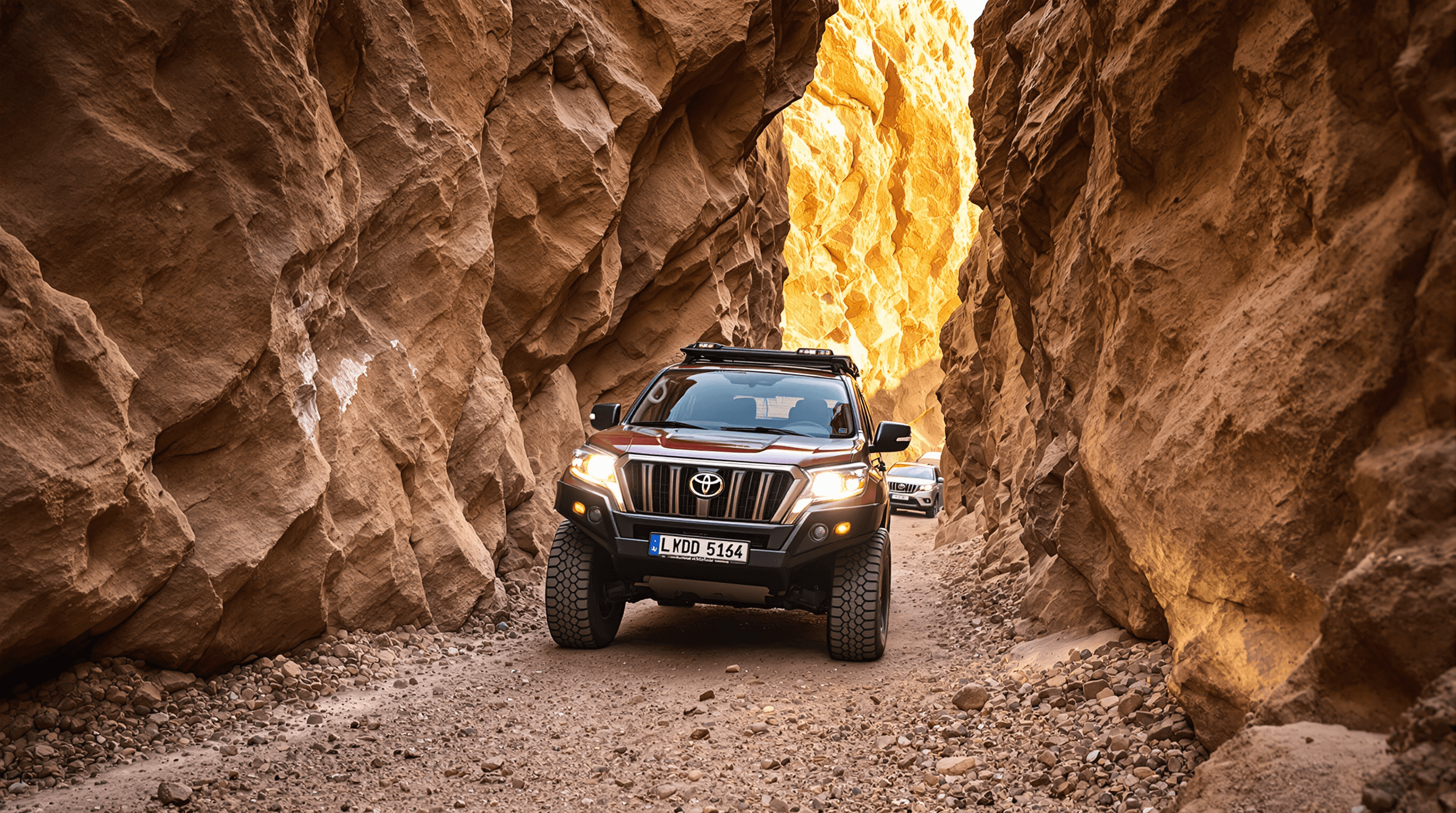
Located in the Hajar Mountains on Dubai's eastern border with Oman, Hatta delivers technical rock crawling, river bed navigation, and panoramic ridge drives suitable for intermediate to advanced drivers. The region's elevation ranges from 300 to 1,200 meters above sea level, creating natural challenges that test vehicle capability and driver skill.
Essential Route Planning for Hatta Off Road Adventures
Route selection in Hatta depends entirely on vehicle capability and driver experience level. The terrain varies dramatically from smooth gravel tracks suitable for stock SUVs to extreme rock gardens requiring full modifications and recovery gear.
Wadi Cycling Path Extension serves as the easiest introduction to Hatta off-roading. This 15-kilometer track follows established maintenance roads with minimal technical sections, perfect for stock 4WD vehicles and beginners. The route connects multiple wadis while maintaining safe exit points every 3-4 kilometers.
Hatta Rock Pools Circuit presents intermediate challenges with moderate rock crawling and water crossings. This 22-kilometer loop requires high ground clearance and underbody protection, making it ideal for vehicles with 2-inch lifts and all-terrain tires. Expect 3-4 hours of driving time with photo stops.
Al Hajar Ridge Run challenges advanced drivers with steep inclines, loose scree, and exposed drop-offs. This expert-level route demands extensive modifications including differential locks, rock sliders, and winch capability. The 18-kilometer trail requires 5-6 hours and should never be attempted solo.
For comprehensive route planning and difficulty ratings, consult our routes directory which includes GPS coordinates and seasonal accessibility updates.
Vehicle Requirements and Recommended Specifications
High ground clearance becomes critical in Hatta's rocky terrain, with minimum 220mm clearance recommended for intermediate routes. Standard approaches that work in sand often fail on sharp rocks and steep inclines found throughout the mountain region.
Minimum Vehicle Specifications by Route Difficulty
| Route Level | Ground Clearance | Tires | Protection | Recovery |
|---|---|---|---|---|
| Beginner | 200mm+ | All-terrain | Skid plates | Basic kit |
| Intermediate | 220mm+ | Aggressive A/T | Rock sliders | Winch/snatch |
| Advanced | 250mm+ | Mud-terrain | Full armor | Dual recovery |
Tire selection proves more critical than engine power in Hatta's technical sections. Aggressive all-terrain tires with reinforced sidewalls handle sharp limestone better than standard highway treads, while maintaining on-road comfort for the Dubai-Hatta drive.
Underbody protection becomes mandatory beyond beginner routes. Aluminum skid plates protect oil pans and transfer cases from rock strikes, while steel rock sliders prevent costly door and sill damage during side slopes and boulder navigation.
Popular vehicle choices include the Toyota Land Cruiser 200 Series for its reliability and parts availability, the Nissan Patrol Y62 for comfortable long-distance touring, and the Jeep Wrangler for maximum technical capability. Each platform offers distinct advantages depending on route selection and group composition.
For detailed vehicle comparisons and local modification options, review our land-cruiser-vs-nissan-patrol-uae analysis and browse our garages directory for trusted preparation specialists.
Seasonal Conditions and Weather Planning
October through March provides optimal Hatta off road conditions with daytime temperatures between 22-28°C and minimal rainfall. These cooler months offer comfortable driving conditions and reduced vehicle stress compared to summer expeditions.
Summer months (June-August) present extreme challenges with temperatures exceeding 42°C and increased rock surface temperatures. Early morning starts become essential, with most technical sections completed before 10 AM to prevent overheating and driver fatigue.
Winter rainfall (December-February) dramatically alters route conditions within hours. Flash flooding can make normally dry wadis impassable, while wet limestone becomes extremely slippery and dangerous. Always check weather forecasts and have alternate route plans prepared.
Seasonal wildlife activity peaks during spring months (March-April). Increased bird and reptile activity requires additional caution during camping and hiking segments, particularly around water sources and shaded areas.
Monthly temperature averages and rainfall data help optimize trip timing:
- November-February: 18-25°C, occasional rain, best overall conditions
- March-May: 25-35°C, minimal rain, good morning/evening driving
- June-August: 35-45°C, zero rain, early morning only recommended
- September-October: 28-38°C, rare rain, good transition period
Safety Protocols and Emergency Procedures
Communication equipment becomes essential in Hatta's mountainous terrain where mobile coverage remains sporadic. Satellite communication devices or GPS beacons provide reliable emergency contact when standard mobile networks fail.
Travel in groups of minimum two vehicles with experienced drivers in each. Solo expeditions significantly increase risk exposure, particularly on technical routes where vehicle recovery requires external assistance and mechanical failures can strand drivers overnight.
Water and food supplies should exceed planned trip duration by 50%. Mountain weather can change rapidly, extending planned day trips into overnight situations. Pack 4 liters of water per person plus emergency rations for extended delays.
Route communication with Dubai-based contacts includes specific checkpoint times and emergency contact protocols. Establish check-in schedules every 3-4 hours with designated emergency contacts who can coordinate rescue operations if teams fail to report.
For comprehensive safety training and risk management techniques, consider professional instruction through our courses directory before attempting challenging Hatta routes independently.
Recovery equipment essentials include:
- Winch or snatch recovery system (8,000+ lb capacity)
- Traction aids (sand ladders work on loose rock)
- Basic tool kit (tire repair, fluid top-ups)
- First aid supplies (including emergency communications)
Navigation and Route Finding Techniques
GPS coordinates provide essential backup navigation as traditional paper maps lack current track information. Download offline maps before departure since mobile data coverage becomes unreliable beyond Hatta town boundaries.
Traditional navigation skills remain valuable when electronic systems fail or batteries deplete. Compass bearings and landmark recognition help maintain general direction when GPS accuracy degrades in steep terrain or heavy cloud cover.
Local knowledge proves invaluable for current route conditions and seasonal variations. Connect with established groups through our off-road-clubs-dubai guide to access current beta and group expedition opportunities.
Popular navigation apps include Gaia GPS for detailed topographic mapping, AllTrails for established hiking connections, and What3Words for precise location sharing during emergencies. Download maps while in Dubai to ensure offline accessibility.
Track recording enables route sharing and emergency location services. GPS breadcrumb trails help groups maintain contact and provide rescue services with precise location data if emergency response becomes necessary.
Camping and Overnight Considerations
Wild camping regulations in Hatta require permits for organized groups exceeding 6 vehicles. Individual families and small groups can camp freely but must follow Leave No Trace principles and avoid designated protected areas.
Established camping areas near Hatta Dam provide facilities while maintaining off-road access. These developed sites offer restrooms and water access while serving as base camps for day expeditions into technical terrain.
Equipment selection prioritizes wind resistance and temperature variation. Mountain weather changes rapidly, requiring camping gear capable of handling temperature swings from 35°C afternoon heat to 12°C pre-dawn cold.
Fire restrictions apply year-round with total bans during high-risk periods. Portable gas stoves provide reliable cooking without environmental impact or wildfire risk. Check current restrictions with local authorities before departure.
Recommended camping locations include:
- Hatta Wadi Hub - developed facilities, vehicle access
- Upper Wadi Locations - primitive camping, scenic isolation
- Ridge Camping - spectacular views, exposed conditions
- Wadi Floor Sites - protected locations, flash flood risk
For detailed camping preparation and gear selection, reference our desert-driving-safety-uae guide which covers overnight expedition planning.
Photography and Scenic Highlights
Golden hour lighting (6:30-7:30 AM and 5:30-6:30 PM) provides optimal conditions for landscape photography. Mountain terrain creates dramatic shadows and color contrasts that highlight Hatta's unique geological features.
Hatta Rock Pools offer year-round photographic opportunities with turquoise water contrasting against red limestone formations. These natural swimming holes provide stunning foreground elements for wide-angle mountain compositions.
Ridge driving sections deliver panoramic views across the Hajar Mountains toward Oman's interior. Multiple pullout points allow safe photography stops without blocking narrow mountain tracks.
Key photographic locations include:
- Hatta Dam overlook - sunrise mountain reflections
- Upper wadi pools - turquoise water and red rock
- Ridge viewpoints - 360-degree mountain panoramas
- Historic village ruins - cultural context and mountain backdrop
Drone regulations apply strictly in Hatta due to proximity to Oman border and military installations. Obtain proper permits through UAE aviation authorities and maintain visual contact with aircraft at all times during operation.
Getting Started: First Hatta Off Road Experience
Begin with guided experiences through established operators before attempting independent exploration. Professional guides provide essential local knowledge while ensuring safety standards for technical terrain navigation.
Vehicle preparation should exceed anticipated route requirements by one difficulty level. Hatta's rocky terrain punishes inadequately prepared vehicles, creating expensive repairs and potential safety hazards for unprepared drivers.
Skills development through dedicated desert-driving-course-dubai programs translates directly to mountain off-roading success. Core techniques like momentum management and recovery procedures apply across all terrains.
Partner with experienced groups for initial expeditions rather than attempting solo exploration. Established clubs offer mentorship and shared knowledge that accelerates learning while maintaining safety margins.
For structured learning opportunities, explore our beginner-off-road-course-dubai options which include Hatta-specific training modules. Many programs combine classroom theory with practical mountain driving experience.
Consider joining organized trips through our carnity-off-road-club-review featured groups before planning independent expeditions. These experiences provide valuable networking opportunities and hands-on route familiarization.
Frequently Asked Questions
What's the best time of year for Hatta off road adventures? November through March offers optimal conditions with comfortable temperatures between 22-28°C and minimal rainfall. Summer months exceed 42°C and require pre-dawn starts to avoid dangerous heat exposure.
Do I need special permits for Hatta off road driving? Individual vehicles and small groups don't require permits for day trips. Organized groups exceeding 6 vehicles need camping permits, and all drivers should carry valid UAE licenses and vehicle registration documents.
What's the minimum vehicle requirement for Hatta routes? Stock 4WD vehicles with 200mm+ ground clearance can handle beginner routes like the Wadi Cycling Path Extension. Intermediate routes require 220mm+ clearance with skid plates and all-terrain tires.
How long does it take to drive from Dubai to Hatta? The drive takes 90-120 minutes via Emirates Road (E611) to Hatta Road (E44). Allow extra time for fuel stops and final vehicle checks before entering off-road areas.
Is mobile phone coverage available in Hatta off road areas? Coverage becomes sporadic beyond Hatta town, with dead zones common in deep wadis and ridge areas. Carry satellite communication devices or GPS beacons for emergency situations.
Can beginners attempt Hatta off road routes safely? Yes, but only on designated beginner routes with proper preparation and experienced companions. Consider professional instruction before attempting technical terrain independently.
Reviewed by experienced desert drivers. Our team personally visits operators and tests courses across the UAE.
Explore the Directory
Find off-road clubs, courses, garages and events across Dubai & UAE.
View Directory →