Off-Roading in Liwa — What to Know Before You Go
A practical look at running the dunes at Liwa: what kind of trip it really is, the vehicle and recovery gear you need, and why it isn't a beginner's day out.

Off-Roading in Liwa — What to Know Before You Go
Liwa is the trip people graduate to. By the time most of us have a few seasons in the dunes near Dubai, Liwa is the name that keeps coming up — the big dunes, the proper Empty Quarter, the place you go when the usual spots stop feeling like a challenge. It sits down in Abu Dhabi's Al Dhafra region, on the northern edge of the Rub al Khali, and it's a long way from anywhere. That remoteness is the whole appeal and also the thing that catches people out.
This isn't a half-day run. It's a proper drive south just to reach the sand, and once you're in, the dunes are taller, steeper and softer than what you'll have practised on closer to the city. Treat it as a step up, not a casual weekend.
This is a big-dune environment
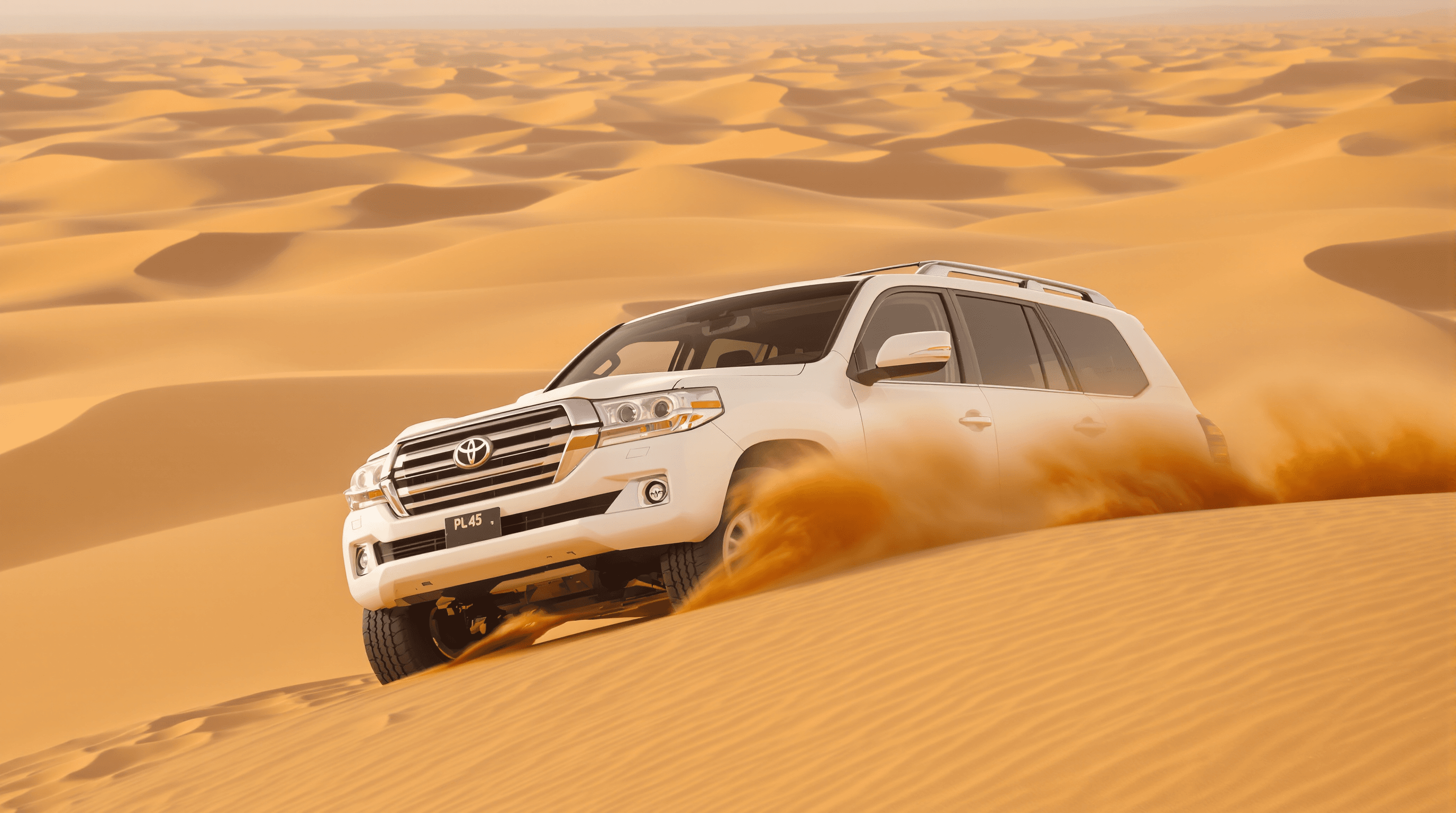
The Liwa dunes are genuinely large, and the slopes are steep enough that getting a climb wrong has consequences. The most famous feature is Moreeb Dune (Tal Mireb), the towering dune used for the festival hill-climb events — it's a useful marker for the kind of terrain you're dealing with out there.
Soft, deep sand is the rule rather than the exception. If you've only driven firmer compacted sand, expect to work much harder for flotation and momentum, and expect recoveries to happen even to experienced drivers. Nobody runs Liwa solo. Two vehicles is the absolute minimum, and a small convoy is better — if one car is properly buried, you want more than one set of hands and a second recovery point.
The vehicle and what's on it
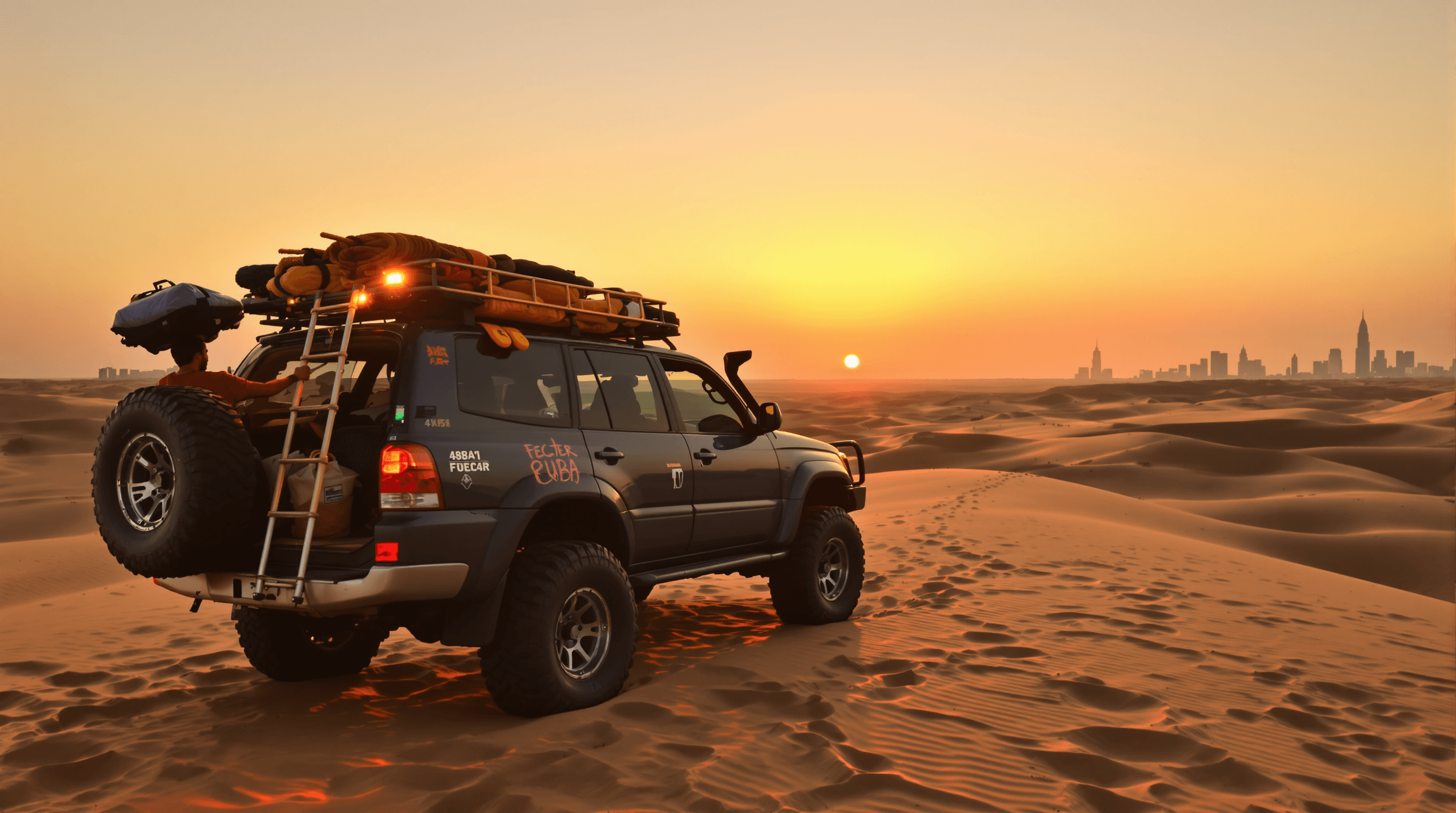
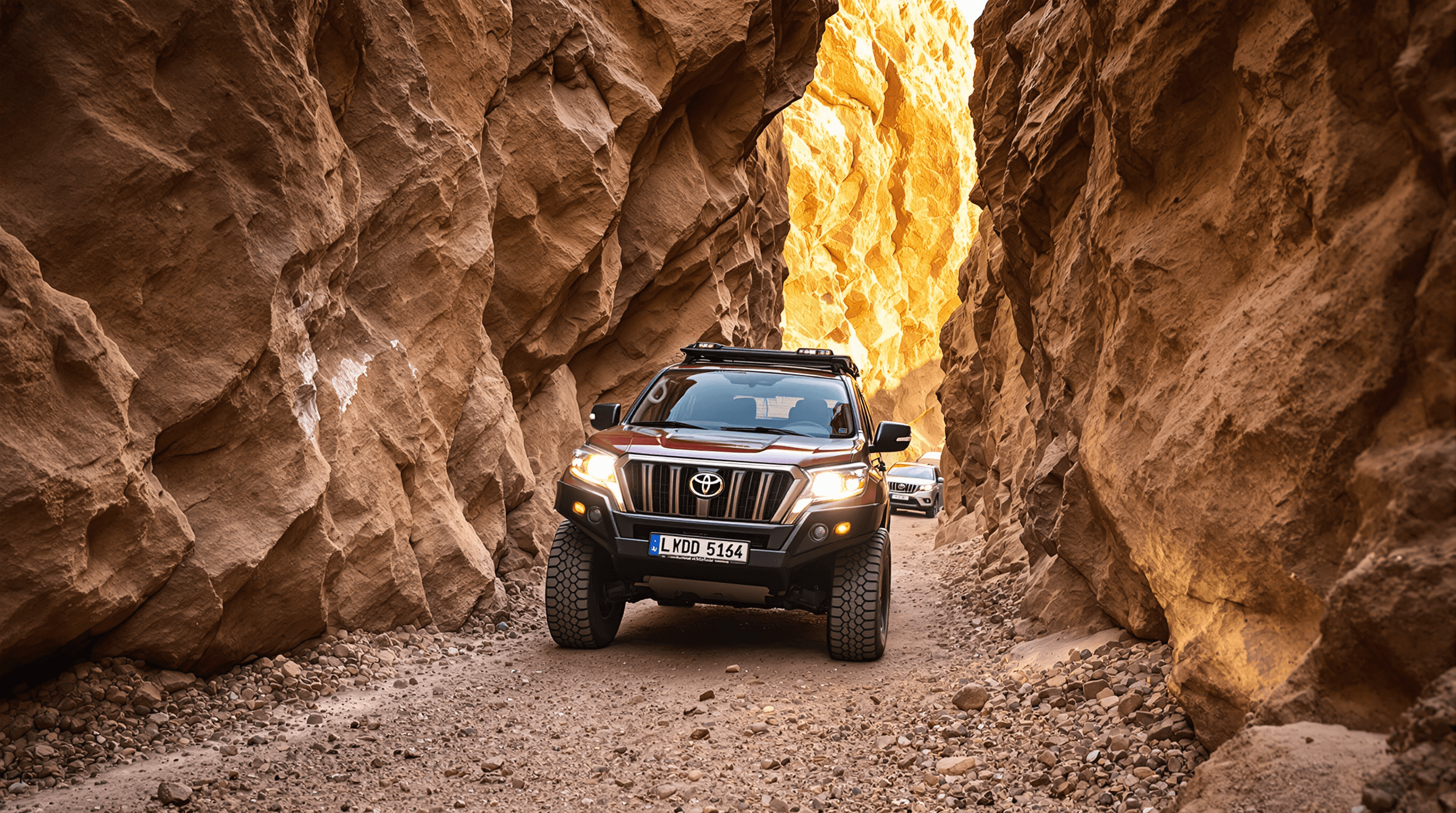
You want a capable 4WD with low-range, decent ground clearance and tyres you trust in sand. The Land Cruiser and Nissan Patrol are the desert defaults here for good reason: they're reliable, parts are everywhere, and they handle soft sand well. Plenty of other vehicles will do it too, but Liwa is not the place to find out your truck has a weak point.
Just as important as the vehicle is what you carry. The non-negotiables:
- A good tyre gauge and a way to re-inflate — a decent compressor, not a toy one
- Recovery boards (Maxtrax-style) and a proper shovel
- A recovery rope or strap rated well above your vehicle's weight, plus rated shackles and a recovery point you've actually checked
- Spare fuel, because the stations are far apart once you're south
- Plenty of water — more than you think you need
If you're not confident your recovery gear is sorted, read our recovery gear guide before you commit to a trip this remote. And if your sand driving is still finding its feet, do a few sessions somewhere closer and more forgiving first — a proper course is worth far more than reading about it.
Airing down and driving the sand
Lower your tyre pressures before you hit the dunes — soft Liwa sand needs more air out than firmer surfaces. Start conservative and drop further if you're still bogging down, and watch that you don't go so low you risk rolling a tyre off the rim, especially on side slopes. Carry the means to air back up before you head home; nobody should drive highway speeds on dune pressures.
The driving itself rewards smoothness. Keep momentum steady rather than stabbing the throttle, read the dune before you commit to it, and use engine braking on descents instead of riding the brakes. Walk anything blind or steep on foot first — it's the cheapest insurance there is. And if a climb isn't working, back off early; fighting a dune you've already lost is how vehicles end up stuck or rolled.
Heat, season and remoteness
Liwa is a winter trip. From roughly November to March the daytime temperatures are manageable and the sand behaves; in the deep summer the heat is genuinely dangerous out there and not worth it for recreation. Even in winter, desert nights get cold, so pack warm layers if you're staying out.
The thing to respect most is how far you are from help. Mobile coverage gets patchy the further south you go, and the nearest serious medical care is a long drive away. That's why people carry satellite communicators for trips like this, register a rough plan and return time with someone at home, and don't rely on a phone signal being there when they need it. Fuel, water and a basic first-aid kit are part of the same thinking — out here you are your own rescue service until someone can reach you.
Camping
Plenty of groups camp in the Liwa dunes, and an overnight under that sky is the best part of the trip for a lot of people. If you do, go fully self-sufficient: carry all your own water, take every scrap of rubbish back out, and leave the site as you found it. Build your camp with the next day in mind — park so you've got a clear, downhill-ish way out in the morning rather than a cold-start climb out of soft sand.
A few honest answers
Can a beginner do Liwa? Not as a first trip. Get comfortable on easier, closer terrain and ideally do a course first. Liwa's size, softness and remoteness all stack the difficulty higher than the spots most people learn on.
Do I really need a second vehicle? Yes. Recoveries happen even to good drivers, and being stuck alone in deep sand a long way from a road is a situation you don't want to be in.
What tyre pressure should I run? Lower than you'd use on firmer sand — air down meaningfully, adjust to conditions, and carry a compressor to reinflate before the drive home. Exact numbers depend on your vehicle and load, so go by how the truck floats, not a magic figure.
Reviewed by experienced desert drivers. Our team personally visits operators and tests courses across the UAE.
Explore the Directory
Find off-road clubs, courses, garages and events across Dubai & UAE.
View Directory →