Renting a 4x4 in Dubai for the Desert — What to Watch For
Practical advice on self-drive 4x4 rental in Dubai for desert use: what the paperwork actually requires, why insurance is the part that bites, and how to check a vehicle before you sign.
Renting a 4x4 in Dubai for the Desert — What to Watch For
Plenty of people land in Dubai, see the dunes from the plane, and decide they're going to rent something with four-wheel drive and go play in the sand. That's a fine instinct. What trips most renters up isn't the driving — it's the small print, the insurance, and the gap between a 4x4 that looks the part and one that's actually set up for soft sand. Here's what's worth knowing before you hand over a deposit.
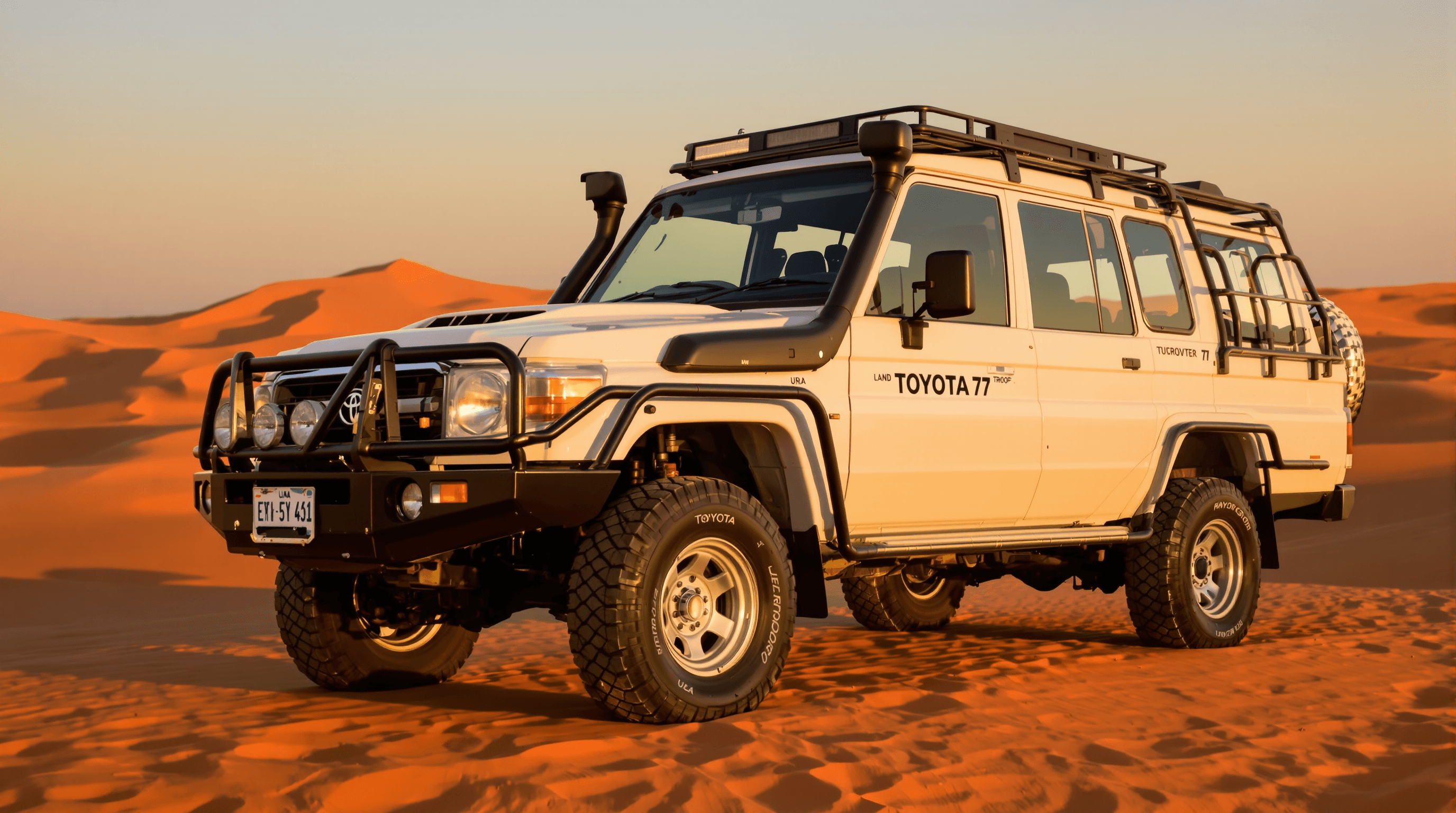
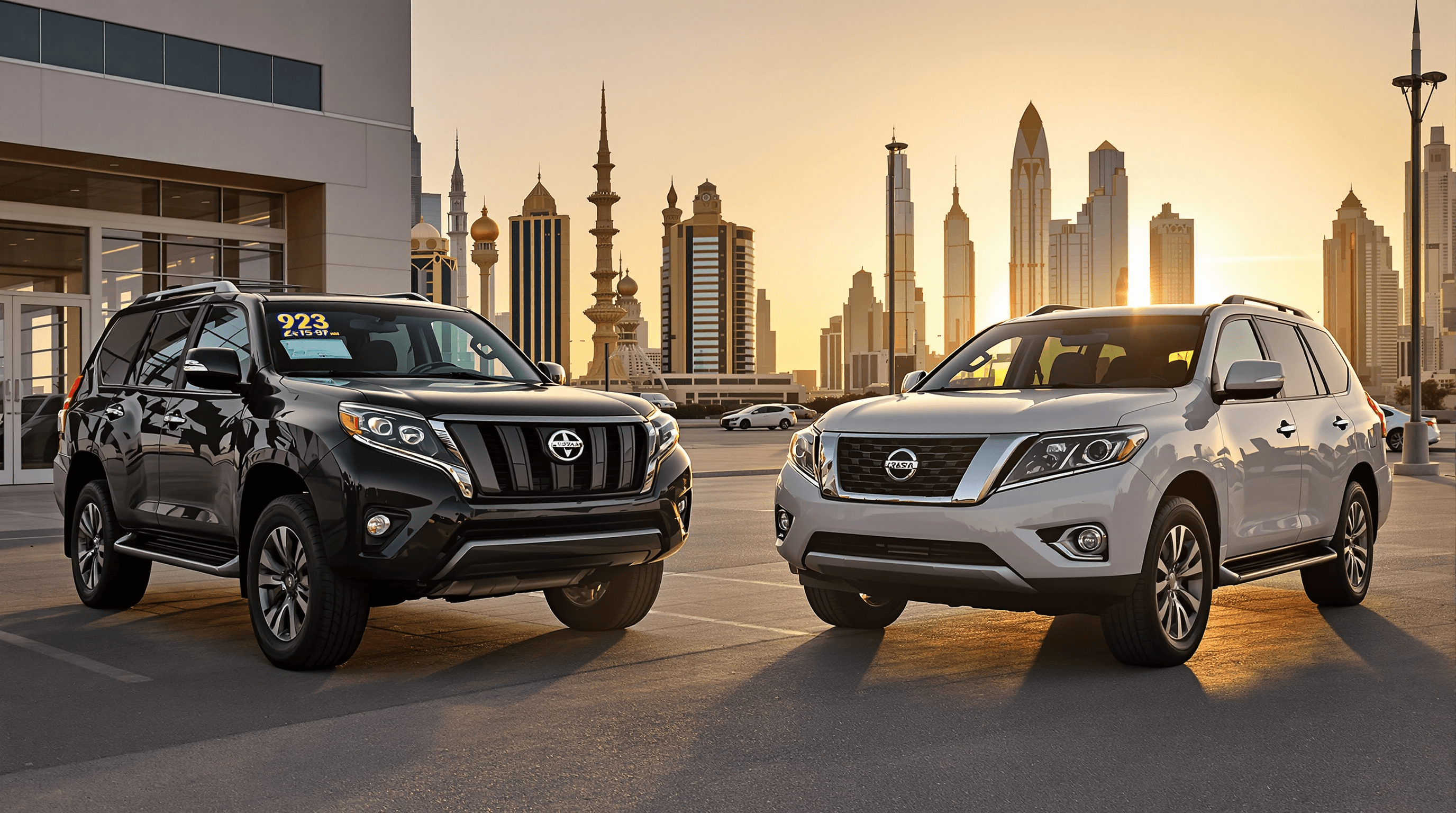
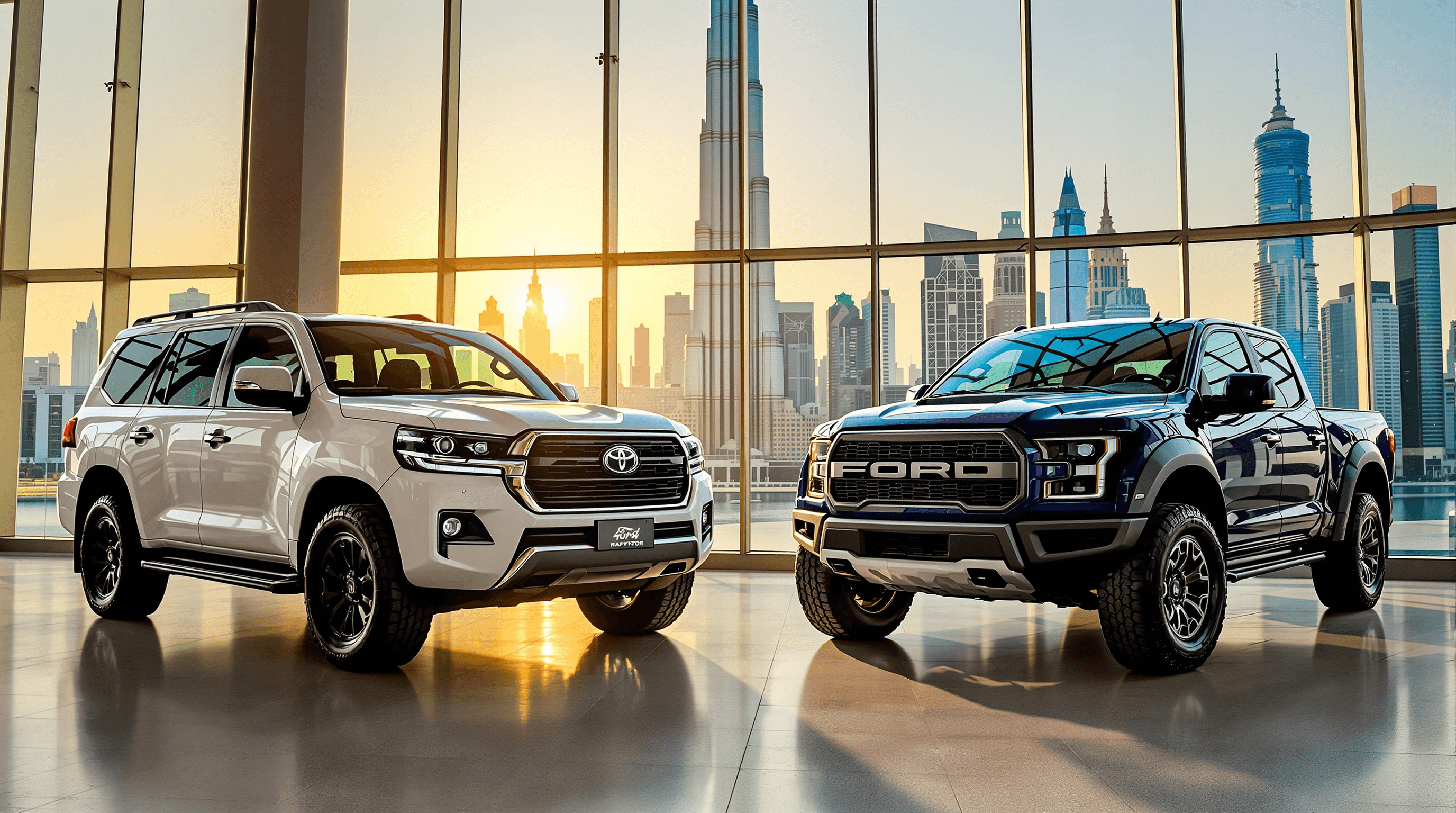
You'll find everything from compact crossovers up to a Land Cruiser, Patrol or a Wrangler on the rental market, through the big international chains and a long tail of local outfits. Daily rates climb steeply with the vehicle, and the headline price is rarely the price you pay once insurance and extras are on the bill — so treat any quote as a starting point, not the total.
The paperwork
For a short visit you can drive on a licence from most major countries (US, UK, EU, Canada, Australia and others) alongside your passport; an international driving permit alongside it never hurts and some companies insist on one. If you're a UAE resident, you need a UAE licence — a foreign one won't do once you've got residency.
Beyond that:
- A credit card in the driver's name for the security hold. Deposits scale with the vehicle and can be substantial on the bigger 4x4s, so check before you book that your card has the headroom.
- A minimum age that's usually higher for full-size 4x4s than for small SUVs. Younger drivers can sometimes get a vehicle with a larger deposit.
Some companies want to see prior off-road experience, or a desert-driving course, before they'll let you take a high-end vehicle off-tarmac. Worth asking up front rather than being surprised at the counter.
Insurance is the part that bites
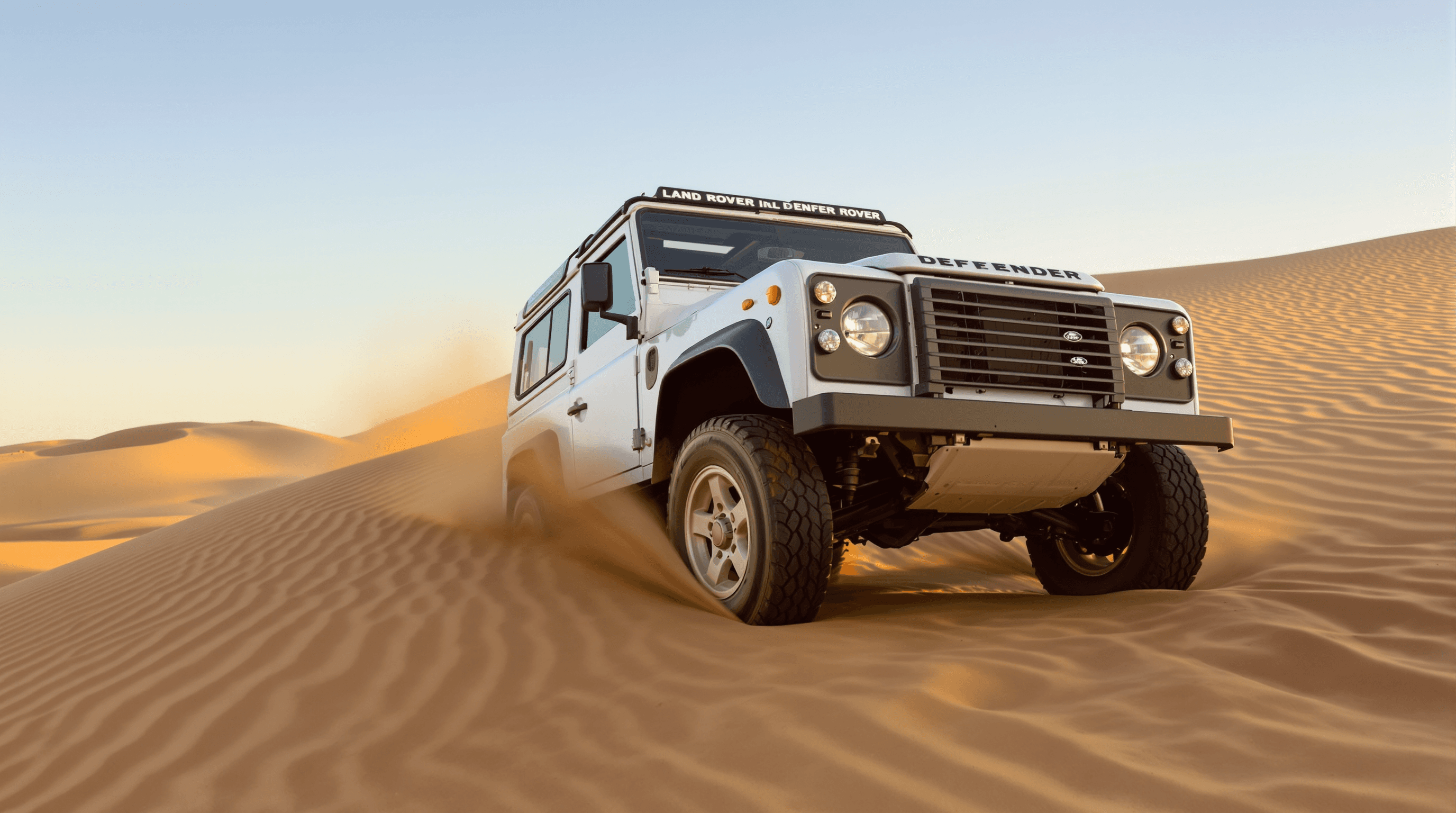
This is the single most important thing to get right, and it's where renters get caught. Standard rental cover almost always excludes off-road driving. Take a car onto the sand on the basic policy and any damage — including sand getting where it shouldn't — can land entirely on you.
Most companies sell an upgrade that adds some off-road protection and lowers your excess. Read what it actually covers: "off-road" can mean graded desert tracks but not dune driving, and recovery costs are often treated separately. If you genuinely intend to drive dunes, confirm in writing that dune driving and recovery are included, and what the excess is if something goes wrong. The few hundred dirhams this costs is cheap next to a recovery bill or a damage claim.
If a rental company won't cover dune driving at all — and some won't — that tells you the vehicle isn't really meant for it, whatever the brochure says.
Check the vehicle before you sign
Five minutes in the car park saves a lot of grief later. Before you accept any 4x4:
- Photograph every existing scratch and dent, and the interior. Get it noted on the contract.
- Check tyre condition and confirm the pressures — you'll be airing down for sand, so you want decent tyres and a working gauge.
- Engage 4WD (and low range and diff locks, if fitted) to confirm they actually work. Don't assume.
- Find out whether there are usable recovery points and whether any gear is included.
- Check there's a serviceable spare and the tools to change it.
Recovery gear and the "extras"
Base rentals rarely come with recovery gear, and you should not go into the desert without it. Some specialist outfits include boards, a strap and a shovel; the chains generally don't, and rent them as add-ons. Either way, budget for it — and know how to use it before you need it. Our recovery gear guide covers the basics if you're starting from nothing.
Other things that tend to be billed on top of the daily rate: camping equipment, fuel (most rentals are full-to-full), and a cleaning charge if you bring it back caked in sand. Factor those in when you compare a cheap base rate against a pricier "desert-ready" package — the all-in numbers often land closer than they first look.
A sensible first vehicle
If this is your first time on sand, don't reach for the most powerful thing on the lot. A mid-size, reliable 4x4 — a Prado-class vehicle — is forgiving, easy to place, and won't punish small mistakes the way a heavy, powerful truck will. Get comfortable on that before you graduate to anything bigger.
The bigger favour you can do yourself is not going alone. The desert is unforgiving of a single stuck vehicle, and recovering yourself out of soft sand without a second car and proper gear is hard. Tag along with a group, join a club drive, or take a desert driving course for your first outing. You'll learn more in one supervised session than in a week of guessing, and it's a lot cheaper than the recovery fee for a rental buried to its axles.
A few common questions
Can I actually take a rental into the desert? Yes — but only with the right insurance, and ideally a vehicle the company knows is going off-road. Sort the cover first; everything else is secondary.
Do rentals come with recovery equipment? Usually not. Treat it as something you arrange separately and confirm before you leave tarmac.
What if I get stuck? Most companies have a 24/7 line, but a desert recovery is expensive and slow to arrive. Going out in a group with your own gear is the cheaper, safer answer.
Reviewed by experienced desert drivers. Our team personally visits operators and tests courses across the UAE.
Explore the Directory
Find off-road clubs, courses, garages and events across Dubai & UAE.
View Directory →