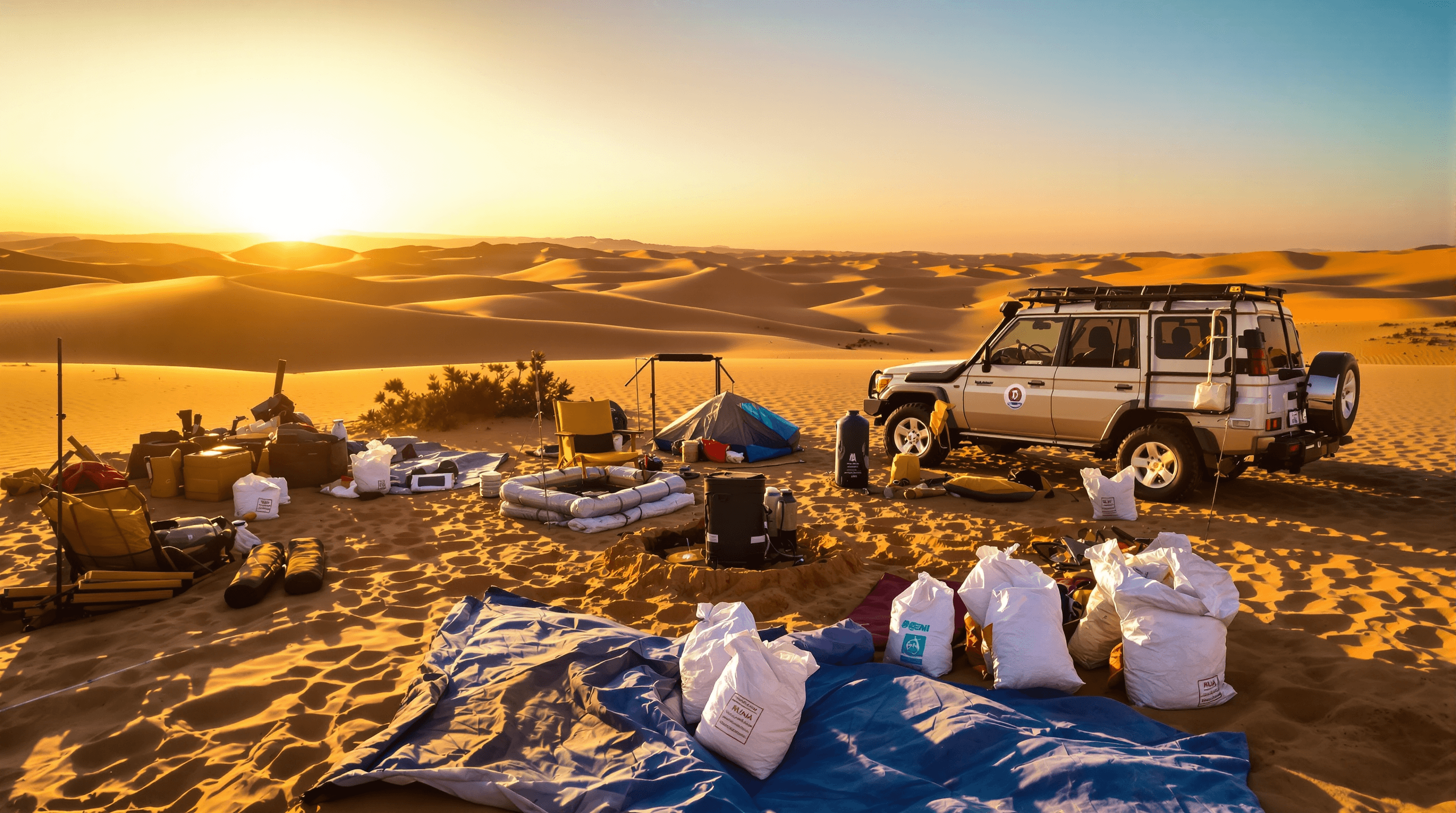
Solo Off Roading UAE: 2025 Safety Guide Dubai
Complete safety guide for solo off-roading in UAE. Essential gear, emergency protocols, route planning tips for Dubai desert adventures.
Solo Off Roading UAE: The Complete Safety Guide for Independent Desert Adventures
Solo off roading UAE presents unique challenges that require meticulous preparation and safety protocols. Independent desert exploration in the UAE's harsh environment demands advanced planning, proper equipment, and comprehensive risk management strategies.
The UAE's desert terrain offers incredible solo adventures, from the Big Red dune near Hatta to the vast Liwa desert expanses. However, venturing alone into these environments requires understanding specific risks including extreme temperatures, navigation challenges, and limited rescue access.
This comprehensive guide covers essential safety protocols, mandatory equipment, and emergency procedures for solo desert driving across Dubai, Abu Dhabi, and northern emirates.
Essential Safety Equipment for Solo Desert Driving
Solo desert expeditions require redundant safety systems and self-rescue capabilities. Your vehicle becomes your lifeline when exploring remote areas without convoy support.
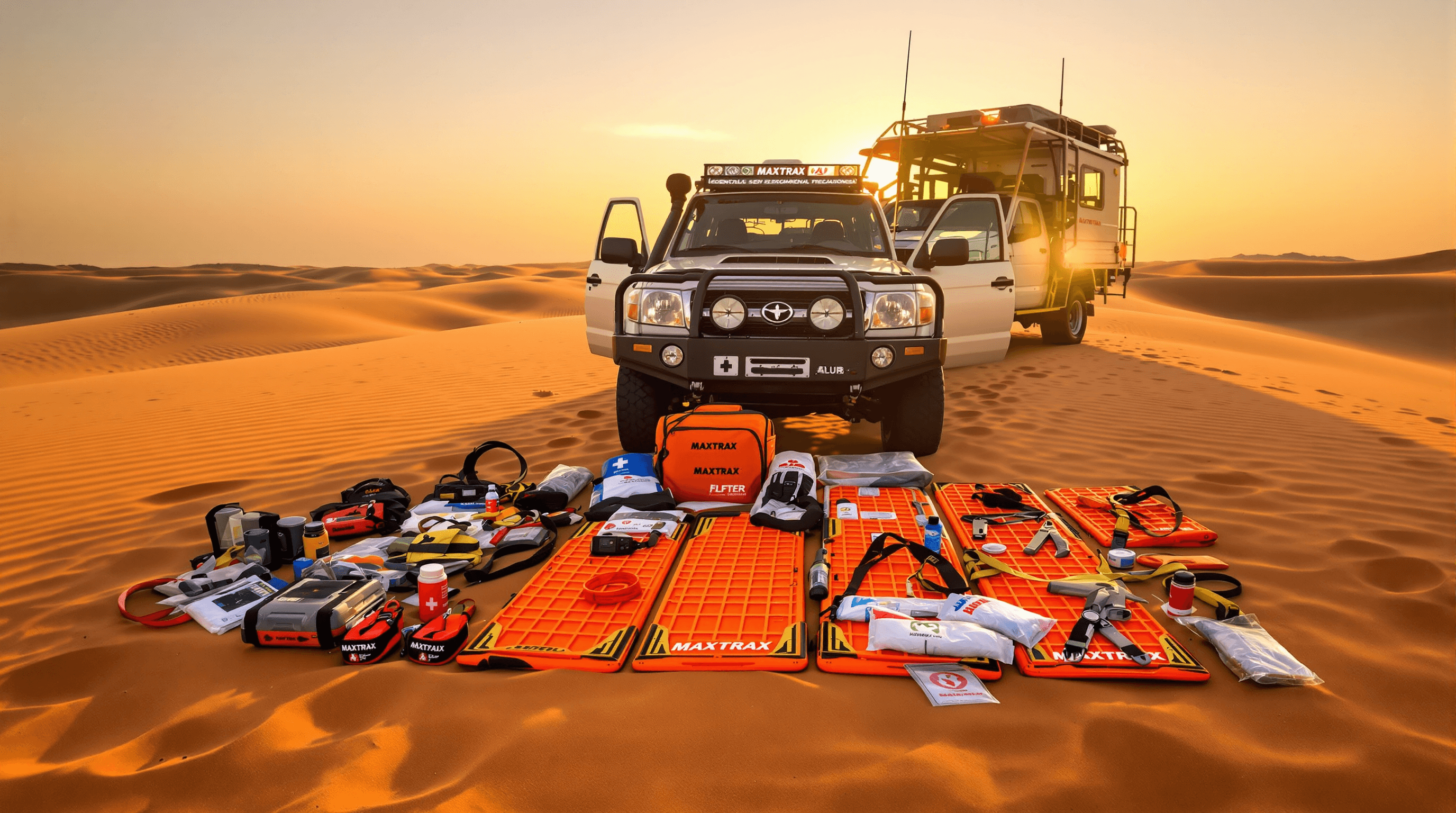
Primary safety equipment includes GPS navigation with offline maps, satellite communication device (Garmin inReach or similar), and comprehensive first aid kit. Vehicle-specific gear encompasses recovery equipment, spare parts, and emergency supplies.
Recovery gear priorities for solo driving:
- Maxtrax or sand ladders (minimum 4 pieces for self-recovery)
- Shovel and tire pressure gauge with 12V compressor
- Tow strap rated minimum 8,000kg breaking strength
- Winch with synthetic rope (if equipped) plus tree protector
- High-lift jack with sand base plate
Communication equipment serves as your primary safety backup. Satellite communicators enable emergency messaging when cellular coverage fails. The Garmin inReach Mini provides two-way messaging, GPS tracking, and SOS functionality for approximately AED 1,200 plus monthly subscription fees.
Our recovery gear section details specific equipment specifications and local suppliers for comprehensive solo setups.
Pre-Departure Planning and Route Selection
Route planning forms the foundation of safe solo off-roading in UAE conditions. Proper preparation includes weather assessment, route difficulty evaluation, and emergency contact protocols.
Weather considerations significantly impact solo safety. Summer temperatures exceeding 45°C create life-threatening conditions within hours. Winter months (November-March) offer optimal conditions with daytime temperatures 20-30°C and minimal precipitation risk.
Route difficulty assessment requires honest skill evaluation. Solo drivers should attempt routes one difficulty level below their convoy experience. Popular beginner-friendly solo routes include Al Qudra desert tracks and Fossil Rock approach roads.
Emergency contact protocols include:
- Detailed route plan shared with trusted contact
- Scheduled check-in times every 2-4 hours
- Emergency contact numbers including Dubai Police (999) and Abu Dhabi Police (999)
- GPS coordinates for planned stops and camping locations
Fuel planning requires calculating consumption for soft sand driving (typically 1.5-2x normal rates) plus 50% reserve. Most desert routes require 200-300km range capability depending on access points.
Check our desert driving course recommendations for skill assessment and solo preparation training.
Navigation and Communication Protocols
Navigation redundancy prevents the most common solo off-roading emergency situations. Multiple navigation methods and communication protocols ensure rescue accessibility when primary systems fail.
Primary navigation systems should include GPS device with preloaded UAE desert maps plus smartphone with offline mapping applications. Gaia GPS and Maps.me provide excellent offline functionality for UAE desert regions.
Backup navigation methods encompass traditional compass bearings and landmark identification. Key UAE desert landmarks include Jebel Hafeet (visible from Al Ain region), Dubai city glow (northern reference), and major highway positions.
Communication scheduling with emergency contacts should occur every 2-3 hours during active driving. Delayed check-ins trigger search protocols and emergency service notification.
Emergency communication hierarchy:
- Cellular service (limited to highway-adjacent areas)
- Satellite communicator (primary emergency method)
- Emergency beacon activation (life-threatening situations only)
- Visual signaling (mirror, flares, or vehicle positioning)
GPS coordinates should be shared in decimal degrees format for emergency services compatibility. UAE emergency services prefer coordinates referenced to WGS84 datum.
Learn more about desert navigation techniques and essential smartphone applications for UAE off-roading.
Emergency Procedures and Self-Recovery Techniques
Self-recovery capabilities define successful solo off-roading outcomes. Emergency procedures must address vehicle recovery, medical emergencies, and environmental hazards specific to UAE desert conditions.
Vehicle recovery priorities focus on sand entrapment situations. Most solo recoveries involve tire pressure adjustment, sand ladder deployment, and momentum-based extraction techniques.
Sand recovery procedure:
- Stop immediately when losing momentum (don't dig deeper)
- Reduce tire pressure to 12-15 PSI for maximum flotation
- Clear sand from tire contact patches using shovel
- Deploy sand ladders under drive tires with 45-degree approach angle
- Engage low-range 4WD and maintain steady throttle application
Medical emergency protocols require self-assessment and evacuation decision-making. Heat-related illness represents the primary medical risk during UAE desert activities. Symptoms include confusion, nausea, and decreased coordination requiring immediate shade and cooling measures.
Heat emergency treatment:
- Move to vehicle shade immediately
- Remove excess clothing and apply wet cloth cooling
- Consume electrolyte solutions (avoid plain water)
- Activate satellite communicator for medical evacuation if symptoms persist
Environmental hazard management includes flash flood awareness during rare rainfall events. Wadi crossings become extremely dangerous within minutes of upstream precipitation.
Our desert safety fundamentals guide covers comprehensive emergency response protocols and self-rescue techniques.
Vehicle Preparation and Maintenance Checks
Solo vehicle reliability requires comprehensive pre-departure inspections and redundant system preparation. Vehicle failure in remote desert locations creates serious safety situations without convoy support.
Critical system inspections encompass cooling system capacity, tire condition assessment, and fluid level verification. Desert driving places extreme demands on vehicle cooling and lubrication systems.
Pre-departure inspection checklist:
- Coolant level and radiator condition (check for leaks or damage)
- Engine oil level and recent change confirmation
- Tire pressure and tread depth measurement
- Brake fluid level and pedal feel assessment
- Battery voltage and terminal cleanliness
- Air filter condition and housing security
Spare parts priorities for solo expeditions include critical failure components. Tire punctures, belt failures, and cooling system leaks represent common desert breakdown causes.
Essential spare parts kit:
- Full-size spare tire (preferably two for extended trips)
- Serpentine belt and basic tools for installation
- Radiator sealant and additional coolant (5L minimum)
- Spare fuses and electrical connectors
- Tire repair kit with CO2 cartridges or 12V compressor
Fuel system preparation includes fuel quality assessment and water separator inspection. Poor fuel quality from remote stations can cause injection system problems in modern vehicles.
Regular maintenance schedules become critical for solo reliability. Consult our recommended garages directory for pre-expedition vehicle preparation services.
Weather Considerations and Seasonal Safety
Weather conditions dramatically affect solo off-roading safety across UAE desert regions. Seasonal variations require different preparation strategies and equipment priorities.
Summer safety protocols (May-September) demand early morning departures and afternoon shade planning. Temperatures exceeding 45°C create vehicle overheating risks and life-threatening exposure conditions within 30 minutes.
Winter considerations include unexpected temperature drops and rare precipitation events. Desert temperatures can fall to 10-15°C during January nights, requiring appropriate clothing and emergency shelter.
Seasonal equipment adjustments:
- Summer: Increased water capacity (8L minimum per person), cooling towels, electrolyte supplements
- Winter: Warm clothing layers, emergency blanket, extended daylight planning
- Transition seasons: Weather monitoring and flexible timing strategies
Weather monitoring resources include UAE National Center of Meteorology forecasts and satellite imagery. Flash flood warnings require immediate route modification or expedition cancellation.
Wind condition assessment affects vehicle stability and sand storm visibility. Sustained winds above 40km/h create challenging driving conditions and reduced visibility situations.
Review our seasonal off-roading guide for detailed weather preparation strategies and timing recommendations.
Legal Requirements and Permits
UAE off-roading regulations include specific requirements for desert access and environmental protection. Solo drivers must understand legal obligations and permit requirements for different emirates and protected areas.
Vehicle registration requirements mandate valid UAE registration and comprehensive insurance coverage. Off-road driving voids some insurance policies requiring specific coverage verification.
Protected area regulations restrict access to wildlife reserves, archaeological sites, and military zones. Al Marmoom Desert Conservation Reserve requires specific permits for camping and extended stays.
Permit requirements by emirate:
- Dubai: No specific off-road permits for public desert areas
- Abu Dhabi: Camping permits required for overnight stays in designated areas
- Sharjah: Limited off-road access with environmental protection zones
- Ras Al Khaimah: Mountain area restrictions and wadi access regulations
Environmental protection obligations include waste removal, vegetation protection, and wildlife disturbance minimization. UAE environmental laws carry significant penalties for violations.
Emergency service cooperation requires providing accurate location information and following rescue coordination instructions. False emergency activations result in substantial fines and equipment confiscation.
Check our legal compliance guide for current regulations and permit application processes.
Technology and Communication Tools
Modern technology enhances solo off-roading safety through improved navigation, communication, and emergency response capabilities. Proper technology selection and backup systems prevent common failure points.
Smartphone applications provide navigation, weather monitoring, and emergency communication functions. Essential apps include offline mapping, weather radar, and emergency messaging platforms.
Recommended smartphone apps:
- Gaia GPS: Offline topographic mapping with track recording
- Maps.me: Comprehensive offline maps with POI database
- UAE Weather: Local forecasting and alert notifications
- What3Words: Precise location sharing for emergency services
Satellite communication devices enable two-way messaging and emergency beacon functionality beyond cellular coverage. Garmin inReach devices offer messaging, weather updates, and SOS activation for AED 1,200-2,000 depending on model.
Vehicle-mounted technology includes dash cameras for incident documentation and additional GPS units for navigation redundancy. BlackVue dash cameras withstand UAE heat conditions and provide incident recording capability.
Power management systems maintain device functionality during extended expeditions. Dual battery setups or high-capacity power banks ensure communication availability throughout multi-day trips.
Explore our technology equipment guide for comprehensive device selection and configuration recommendations.
Frequently Asked Questions
Is solo off-roading safe in UAE desert conditions? Solo off-roading can be safe with proper preparation, appropriate skill levels, and comprehensive safety equipment. Beginners should gain experience in convoy situations before attempting solo expeditions.
What emergency equipment is mandatory for solo desert driving? Essential equipment includes satellite communicator, GPS navigation with offline maps, comprehensive first aid kit, recovery gear (sand ladders, shovel, compressor), and minimum 8L water per person for day trips.
How do I plan safe solo routes in UAE deserts? Start with well-traveled routes near major highways, share detailed plans with emergency contacts, schedule regular check-ins every 2-3 hours, and choose routes one difficulty level below your convoy experience.
What should I do if my vehicle breaks down alone in the desert? Stay with your vehicle for shade and visibility, activate satellite communicator emergency protocols, conserve water and energy, and signal location using mirrors or bright materials during daylight hours.
Are there legal restrictions for solo off-roading in UAE? Most emirates allow off-road driving without specific permits, but overnight camping may require permits in Abu Dhabi. Avoid protected areas, military zones, and private property without explicit permission.
How much water should I carry for solo desert trips? Carry minimum 8L per person for day trips, increasing to 12-15L for overnight expeditions. Summer conditions require additional water for vehicle cooling and emergency reserves.
Reviewed by experienced desert drivers. Our team personally visits operators and tests courses across the UAE.
Explore the Directory
Find off-road clubs, courses, garages and events across Dubai & UAE.
View Directory →